

Pouch with Handle Factory: Crafting Durable and Stylish Bags
2026-06-15
Discover the art of bag manufacturing with Kody, where durability meets style in every pouch with handle. From innovative designs to premium materials, we craft bags that stand the test of time. In this blog, we’ll take you behind the scenes of our factory and reveal what makes our pouches the perfect blend of function and fashion.
Inside the Craft: How Our Handle Pouches Take Shape
Every handle pouch begins with a careful selection of materials, where we hand-pick hides and hardware that meet our standards for texture and durability. The design is refined through multiple prototypes, ensuring the pouch sits comfortably in hand and holds its shape over time.
Once the pattern is finalized, skilled cutters trace each panel with precision, following the grain of the material. Stitching is done with robust thread, using techniques borrowed from traditional leatherwork to create seams that are both functional and decorative. The edges are burnished, and fittings are riveted in place one by one.
Final inspection covers every inch—from the alignment of the handle to the smoothness of the lining. It’s a slow process, but that deliberate pace allows each piece to emerge with a distinct character, ready to be used daily.
Material Choices That Blend Strength and Elegance
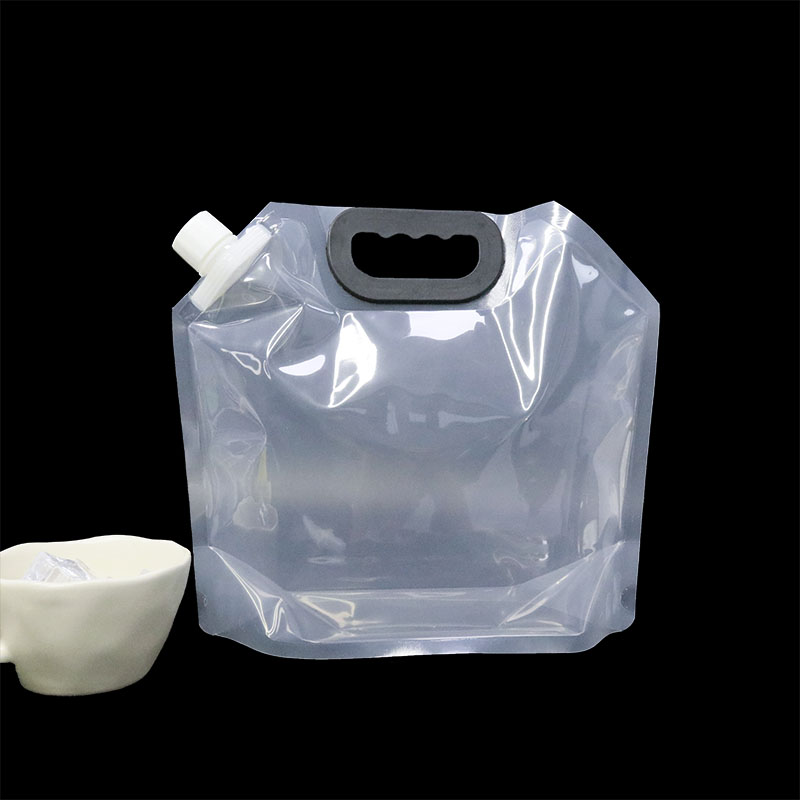
Designers have long sought materials that do more than bear a load or resist wear. The real prize is finding surfaces and structures that feel timeless—combining stubborn resilience with a quiet, understated beauty. This isn’t about hiding strength behind a delicate veneer; it’s about celebrating how raw integrity can become the core of visual appeal. From hammered metals that catch light in unexpected ways to richly grained woods that soften industrial edges, the right material choice does double duty without shouting for attention.
Take brass, for instance. It develops a living patina that tells the story of use, softening and deepening over years. Or consider solid stone—its cool, veined surface refuses to be ignored, yet it stays perfectly composed under pressure. Even engineered materials like carbon fiber have entered this conversation, prized not just for aerospace-grade toughness but for the sleek, technical texture that reads as futuristic while remaining utterly functional. These materials refuse to be boxed into purely practical or decorative categories.
The real craft lies in knowing when to let a material speak plainly and when to push its boundaries. A thick glass tabletop might look fragile, but a well-considered edge can reveal hidden heft. Burnished concrete floors, once cold and impersonal, gain warmth through careful aggregate exposure and sealing. It’s this interplay—between immediate sensation and lasting performance—that separates forgettable interiors from those that settle into memory. Strength and elegance, after all, aren’t opposing forces; they’re two sides of the same coin when a material is understood on its own terms.
Designs That Balance Everyday Use and Standout Style
Some pieces manage to feel just as at home on a crowded morning commute as they do at a weekend dinner party. It’s not about loud logos or trendy gimmicks—it’s the quiet confidence of a well-tailored coat that repels rain without looking like a trash bag, or a backpack that holds a laptop and a change of shoes while still turning heads for all the right reasons. These designs slip into your routine so seamlessly that you almost forget how much thought went into them.
The trick is often in the details you don’t notice first. A zipper that doesn’t snag, a fabric that somehow resists wrinkles and compliments at the same time, pockets placed exactly where your hand expects them. Colors skew toward the subdued end of the spectrum, but silhouettes play with proportion in ways that feel fresh without feeling forced. It’s the kind of careful editing that makes a garment or an object hard to pin down to one season or one trend.
Living with these designs shifts something small but significant. You stop saving the “good” things for later and start reaching for them on ordinary Tuesdays, and that everyday act feels a little more intentional. There’s a quiet pleasure in knowing your belongings aren’t just background props—they’re quietly pulling their weight in both function and form, making your life easier while making you feel more like yourself.
Tailoring Pouches to Your Brand’s Unique Vision
Every brand has a story, and packaging should reflect that. From material selection to finishing touches, our pouches can be customized to align perfectly with your identity—whether that means bold, vibrant prints for a playful product line or muted, textured surfaces for a luxury feel. The goal is to create a pouch that doesn’t just hold your product but communicates your values at first glance.
We work with a range of sustainable and premium materials, offering options like biodegradable films, soft-touch coatings, and foil stamping. Your design, typography, and color palette remain consistent across every unit, ensuring a cohesive unboxing experience that feels entirely yours. It’s about more than utility—it’s about leaving a lasting impression that’s unmistakably linked to your brand.
Quality Checks That Go Beyond the Surface
True quality isn’t about a quick glance or a checklist. It’s about peeling back the layers to inspect what really holds a product together. From the integrity of hidden joints in furniture to the tension in a seam that never sees daylight, our process insists on evaluating the parts customers rarely think about—until they fail. That means load-testing zippers thousands of times over and exposing materials to extreme humidity just to see if they’ll warp. We don’t stop when something looks good; we stop when we’re convinced it’ll stay that way.
Our inspectors spend more time with the invisible details than with the polished finish. They press on edge banding to check adhesion, they listen for subtle rattles in electronics that shouldn’t exist, and they measure the thickness of powder coating on parts hidden inside an assembly. This isn’t random sampling or statistical guesswork—it’s applied curiosity. Every item that passes through our facility has been challenged in ways that mimic years of real-world use, not just the first unboxing. We’ve found flaws inside sealed control boxes and fraying threads beneath folded hems that most routines would never catch.
What separates this approach is a refusal to trust surface impressions. Shine can be sprayed on, and alignment can be eyeballed, but real durability is earned in the parts you can’t photograph. That’s why we test weld strength with dye penetrants, verify plating thickness with X-ray fluorescence, and cycle hinges until they groan—then keep going. Customers feel the difference six months later, when a drawer still glides silently and a jacket zipper hasn’t split. Going beyond the surface isn’t a metaphor; it’s a daily practice that shifts the entire definition of quality from “looks right” to “built right.”
From Workshop to Wardrobe: A Bag’s Journey
It begins with a sketch on a quiet morning, a line that curves into something useful. Leather is chosen not for its perfection but for its character, each hide holding traces of an animal’s life. The cutter’s knife follows chalk marks with a steady hand, turning a flat expanse into panels that will soon hold shape. There’s a rhythm in the workshop—mallets tapping, needles pulling waxed thread, the scent of hide and glue mingling with daylight. Stitches are set one by one, each a small promise that the bag will endure time and motion. Nothing is rushed; the maker knows that the beauty of the object will be measured not in its novelty but in how it ages alongside the person who carries it.
The bag leaves the bench wrapped in unbleached cotton, as unassuming as a traveler without a destination. Its first sighting beyond the studio happens at a small showroom where buyers run their hands over seams and edges, feeling for the integrity of the construction. A boutique on a cobblestone street decides to take a chance on it, placing it beside garments made with the same attention to detail. It sits between wool coats and silk scarves, waiting not just to be noticed but to be understood. Someone looking for a companion for daily chaos stops and lifts it by the strap, testing its weight against the shoulder. The mirror reflects more than a reflection—it shows the beginning of a relationship between an object and its owner.
Once carried home, the bag starts accumulating stories immediately. A notebook slips into one pocket, a phone into another. Coffee shop receipts find a temporary home before being discarded. Days become weeks, and the leather begins to soften at the corners, recording every journey without a single entry in a journal. It accompanies its owner through rain that spotlights inadequacies in lesser-made things, yet this bag simply dries and carries on. Eventually it sits on a chair in the evening, slightly open, as if breathing after a long day. This isn’t just a container for belongings; it’s a quiet witness to a life being lived. The journey from workshop to wardrobe isn’t complete until the bag becomes less an accessory and more an extension of a person’s rhythms—scuffed, trusted, irreplaceable.
FAQ
We lean toward rugged canvas, full-grain leather, and tightly woven nylon for sturdiness. For a polished look, we mix in subtle waxed finishes or matte hardware that resists scratches and fading over time.
It starts with sketching layouts that place pockets and zippers where they make sense ergonomically, then we layer on colors, stitching patterns, or custom linings that catch the light without being fussy. The goal is a bag that works as good as it looks.
Absolutely. Most of our production runs include modifications like reinforced grab handles, adjustable shoulder straps, or extra compartments. We keep a library of proven modifications so turnaround stays quick.
Every batch goes through load tests on handles and seams, zipper cycle counts, and a visual inspection under daylight-balanced lamps. Anything that doesn't meet our benchmarks gets reworked or scrapped.
Because it's the touchpoint you interact with most. We test different wrapping techniques—like rolled leather or padded webbing—to make the grip comfortable even when the pouch is fully loaded. A well-designed handle changes the whole carrying experience.
Yes, we offer versions in recycled polyester and vegetable-tanned leathers. Hardware is sourced from suppliers with clear material recovery programs, and we minimize offcuts by nesting patterns efficiently during cutting.
It's the combination of small-batch attention and industrial-grade machinery. Our team can stitch complex curves and apply edge paint by hand where machines fall short, yet we maintain consistent output. Clients often say the finished product feels more like a boutique item than a factory run.
We collaborate with freelance designers who bring seasonal trend insights, but any new silhouette or material must pass our endurance bench tests. It takes about three prototype rounds before a style earns its place in the main catalog.
Conclusion
At the heart of our pouch with handle factory lies a dedication to thoughtful craftsmanship. Each bag starts from carefully chosen materials—leathers that age gracefully, fabrics that resist tears yet feel supple, and hardware that stays secure without heavy bulk. Our artisans refine every step, from cutting patterns that minimize waste to assembling the pouch so its handle anchors firmly without straining seams. This marriage of robustness and elegance means your bag doesn't just survive daily use; it actually grows more character over time.
Design here is a conversation between practicality and personal style. We sculpt shapes that sit comfortably against the body and arrange pockets where you truly need them, all while leaving room for a brand’s distinct voice to shine. Customization isn't an afterthought—it's woven into our process, whether through embossed logos, unique color palettes, or hardware finishes that align with your vision. Even after the final stitch, each pouch must earn its departure from the workshop. Our quality checks probe beyond the surface, testing zippers through thousands of cycles and simulating the weight of a full load. Only then does a bag begin its journey from our bench to your life, where it becomes a reliable companion with a story worth carrying.
Contact Us
Contact Person: Cindy Lee
Email: [email protected]
Tel/WhatsApp: 8613622669331
Website: https://www.dgkody.com