

Roll Film Supplier: How to Choose the Best Partner for Your Business
2026-09-05
Most businesses don't think about their roll film supplier until something goes wrong. A late shipment, a sudden gauge change, a quality dip that costs you a key client. The truth is, your supplier choice quietly decides your production speed, scrap rate, and profit margin. So before you sign another contract, here's the practical way to evaluate partners—and why Kody is gaining attention in this space.
Look Past the Price Tag to Total Roll Cost
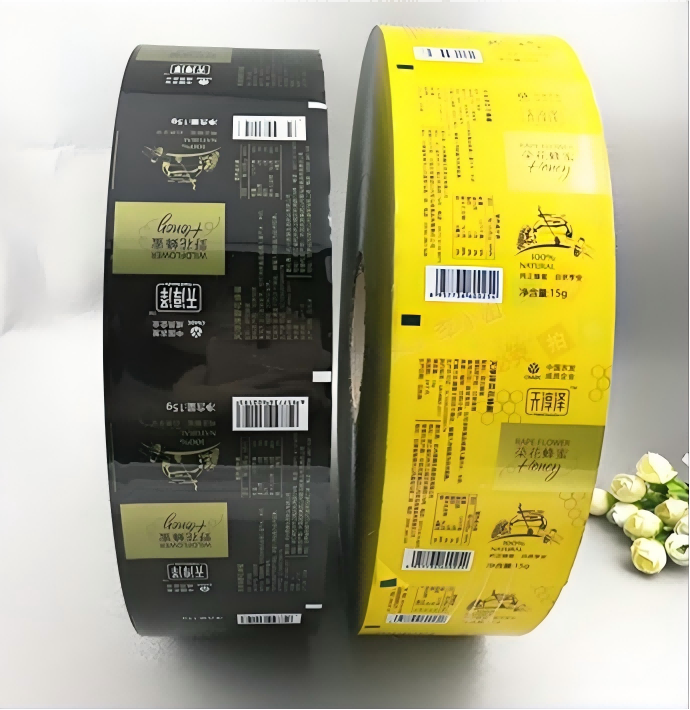
Many buyers fixate on the sticker price of a roll, but that number rarely reflects what you'll actually pay per usable square foot or per label. A cheaper roll can be shorter, narrower, or wound on a thicker core, which quietly raises your cost for every finished item. Before comparing options, check the roll length, width, and core diameter so you're comparing like for like instead of letting a low upfront price distort the decision.
Downtime and waste often add more to the total roll cost than the initial invoice suggests. A poorly wound or low-quality roll may break, jam, or feed unevenly, forcing operators to stop production and scrap material. Even if the roll itself looks inexpensive, those interruptions and discarded portions eat into any savings. In many cases, paying slightly more per roll for consistent tension, reliable splicing, and longer uninterrupted runs is the cheaper path over a full shift or a full production week.
Test Custom Specs Before You Commit
It’s tempting to treat a custom spec as a one-off experiment, but committing to it without real-world testing invites unwelcome surprises. What looks elegant in a schema can fall apart when handed to downstream tools or team members who weren’t in the room during design. A quick dry run against actual data—even a stripped-down sample—exposes mismatches in field types, naming collisions, and assumptions that only surface under load or edge cases.
Before locking anything in, push the spec through a mock pipeline: generate a few records, feed them into your parsers, and watch where friction appears. Pay attention to how JSON keys serialize, whether optional fields truly behave as optional, and if your validators reject reasonable variations. This hands-on pass often reveals that a “minor tweak” early on prevents a painful migration later, especially when multiple services depend on the same contract.
Make testing part of the definition of done for any custom spec. Create a tiny suite of fixtures that represent happy paths, malformed input, and boundary sizes, then run them every time the spec changes. When a spec survives contact with messy reality before being committed, you gain confidence that the abstraction genuinely fits your system—not just the whiteboard version of it.
Check How They Source and Store Raw Film
Before you hand over money for a brick of Portra or a few rolls of Tri-X, ask where the stock actually came from. A lot of film floating around online is gray market, bought cheap in one region and resold elsewhere, sometimes after sitting in a hot cargo container for weeks. Check for intact original packaging, legible batch numbers, and expiration dates that haven't been tampered with. If a seller can't tell you the film's country of origin or how long they've had it, treat that as a warning sign.
Storage matters just as much as sourcing. Film degrades with heat and humidity, so ask whether the seller keeps stock refrigerated or frozen, and whether it's ever been allowed to warm up. A dedicated film fridge is one thing; a shelf next to a sunny window is another. Humidity control is often overlooked but can ruin film just as quickly as high temperatures. If you're buying in person, feel the canisters—if they're warm to the touch, that's not a good sign.
Reputable sellers won't dodge questions about their supply chain or storage setup. Some even post photos of their cold storage or include batch numbers in listings so you can verify age yourself. Look for reviews from other film shooters who mention receiving fresh, properly stored stock. If a deal seems suspiciously cheap and the seller gets vague when you ask about refrigeration, walk away. A ruined roll of film isn't a bargain at any price.
Ask for References from Businesses Like Yours
When narrowing down potential partners or vendors, one of the most underused moves is asking for references from businesses similar to your own. A company that has already worked with clients in your industry, at your scale, or with your specific operational needs can tell you things a generic reference list never will. Their insights often reveal how a provider handles unexpected shifts, communicates under pressure, or respects timelines when projects overlap.
Don't hesitate to request a reference outside the usual polished case studies. A quick call with a peer business can uncover whether the provider actually listens, adapts tools to real workflows, or quietly disappears after onboarding. Because similar businesses face comparable bottlenecks, their honest feedback about day-to-day reliability matters more than a sales deck full of logos.
Probe Their Response to Defects and Returns
When a vendor's product shows up with a bent corner or a faulty seam, what happens next tells you more than any spec sheet. Pay attention to how quickly they own the issue—do they apologize, ask for photos, and offer a replacement without you chasing them? Or does every email turn into a negotiation about who caused the scratch? The best suppliers treat defects as a chance to prove their reliability, not as an inconvenience to dodge.
Returns are where the real test begins. Some factories make the process feel seamless: a prepaid label arrives within hours, the refund hits your account before the return even reaches their dock, and a human actually follows up to ask what went wrong. Others make you fill out three forms, wait a week for an RMA number, then argue about restocking fees on an item that arrived broken. That friction isn't just annoying—it's a preview of how they'll handle every future problem.
Ask pointed questions before you commit: 'What's your defect rate over the last twelve months?' 'Who pays return shipping for a manufacturing error?' 'Can I speak with a customer who filed a claim last quarter?' If they hesitate, deflect, or suddenly go quiet, trust that silence. A supplier who can't clearly explain their defect and return process will absolutely make you regret finding out the hard way.
Seek a Supplier Invested in Your Growth
A supplier that treats every order like a one-off transaction won't push your business forward. Look for partners who ask about your product roadmap, suggest cost-saving adjustments before you request them, and remember your production quirks from one batch to the next. That kind of attention turns a simple purchase order into a long-term advantage.
The right relationship shows up in small ways: a heads-up about material price shifts, a willingness to hold safety stock for your peak season, or a production manager who calls to confirm a spec change instead of assuming. When a supplier is invested in your growth, their improvements become your improvements—and your deadlines stop feeling like negotiations.
Don't settle for a vendor who only reacts. Choose one that brings you ideas, flags risks early, and treats your scaling challenges as shared problems. That's how supply chains become growth engines.
FAQ
Start with their production capacity and lead times. If they can't handle your order volume during peak season, everything else becomes irrelevant. Ask for references from clients with similar order sizes and check whether their equipment is modern enough to maintain consistent thickness and clarity.
Request batch-to-batch data, not just a single sample. A reliable partner will share quality control reports showing tolerance ranges for thickness, width, and optical properties. Also, visit the plant if possible—look at how they store raw materials and whether they calibrate machines regularly.
Lower prices can be tempting, but certifications like ISO 9001 or food-contact compliance matter more if your product touches sensitive items. A supplier without proper documentation may cost you more in rejected batches or compliance issues later. Balance cost with the risk you can afford.
Ask about their minimum order quantities for custom widths, the number of print colors they can handle, and whether they provide cylinder or plate storage. Also clarify who owns the printing plates—some suppliers charge extra to store them, which adds hidden costs.
Very. A good supplier will ask about your packaging machine specs, sealing conditions, and end-use environment before making samples. If they just send a generic film without asking questions, that's a red flag. Timely responses on adjustments also show how they'll handle future issues.
Consistent delays without notice, reluctance to share quality data, and sudden changes in raw material sources without informing you. Also watch for sales reps who promise everything but don't involve technical staff in discussions. These patterns typically get worse after you sign a contract.
Not automatically. Overseas suppliers often offer better pricing, but you need to factor in shipping time, import duties, and communication barriers. Local suppliers can be easier for urgent orders and site visits. The decision depends on your volume, storage space, and how much buffer stock you can hold.
Start with a small trial order under real production conditions, not just lab tests. Run the film on your actual packaging line at normal speed and temperature. Monitor seal strength, tear resistance, and any downtime caused by film issues. Then gradually scale up over two or three orders.
Conclusion
Choosing the right roll film supplier goes far beyond comparing quotes. The sticker price rarely reflects what you actually pay once waste, downtime, and quality issues stack up. A lower-cost roll can underperform on high-speed lines, leading to more frequent changeovers and rejected product. That's why it pays to calculate total roll cost—factoring in yield, runnability, and the supplier's consistency batch after batch. Before committing to any long-term agreement, ask for trial rolls produced to your exact specifications. Run them on your own equipment at normal speeds, not just in a lab. The results will tell you more than any datasheet. Also worth checking is how the supplier sources and stores its raw film. Temperature-controlled warehouses and first-in-first-out inventory practices reduce the risk of curled edges, blocking, or shifts in gauge that can derail your packaging line.
A supplier worth keeping will gladly connect you with current customers in a similar industry. Don't settle for generic testimonials; request references from businesses that run comparable packaging formats and production volumes. When you speak with them, ask how the supplier handles defects, returns, and urgent reorders. A partner that owns mistakes quickly and ships replacements without haggling saves you from costly line stoppages. Finally, look for signs that the supplier is invested in your growth—not just your repeat orders. Do they recommend film structures that could reduce your total packaging cost or improve shelf life? Are they proactive about sharing new materials or co-developing custom constructions? A true partner treats your challenges as their own. By focusing on these practical checks, you'll find a roll film supplier that supports your business for the long haul, rather than one that just sells you a roll.
Contact Us
Contact Person: Cindy Lee
Email: [email protected]
Tel/WhatsApp: 8613622669331
Website: https://www.dgkody.com