

Top Packaging Liquid Bag: Innovative Solutions for Superior Protection
2026-07-18
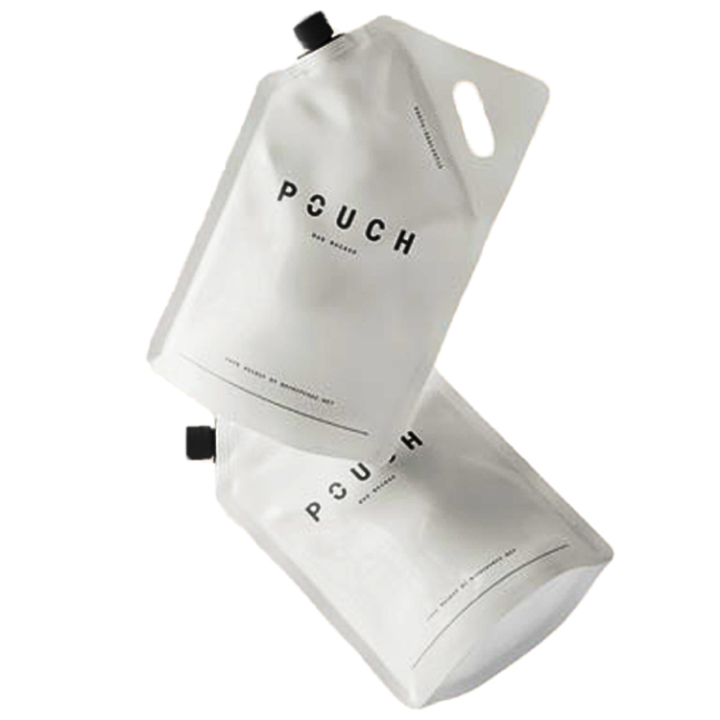
Every drop counts when it comes to liquid packaging—and that’s where Kody steps in with a fresh approach that challenges the ordinary. Imagine a bag that doesn't just contain, but actively shields your product from leaks, punctures, and contamination. The top packaging liquid bag is more than a container; it’s a precision-engineered guardian, blending cutting-edge materials with smart design. Whether you’re shipping delicate chemicals or premium beverages, Kody’s innovative solutions are rewriting the rulebook on protection. Ready to see what the future of liquid safety looks like?
Engineered to Withstand the Unexpected
Life rarely follows a predictable script. That’s why every detail of our design focuses on durability that doesn’t just cope with surprises—it thrives in them. From sudden temperature swings to accidental impacts, the materials and construction have been refined to absorb shock and resist wear, so your gear remains a reliable constant when everything else feels uncertain.
We’ve moved beyond standard testing. Our prototypes are pushed through scenarios that most products never face: repeated drops onto uneven surfaces, exposure to fine dust and high humidity, even simulated years of use in accelerated time. This isn’t about meeting requirements—it’s about building something that keeps performing when conditions turn sour.
What you get isn’t just a product that survives. It’s the peace of mind that comes from knowing one less thing can go wrong. Whether you’re caught in a downpour, fumble on concrete, or face a power surge, the engineering behind every component works silently to keep you moving forward without skipping a beat.
Materials That Redefine Durability
Long gone are the days when strength meant sacrificing flexibility or weight. Today's breakthroughs come from unexpected places—self-healing polymers that close cracks like skin, metal alloys that laugh at corrosion, and concrete blends that actually get tougher with age. Instead of just resisting wear, these materials actively respond to stress, shifting their structure at a microscopic level to absorb damage that would cripple conventional options.
What makes this shift remarkable is how it upends the old replace-and-repair cycle. Imagine a bridge that senses fatigue and reroutes internal forces, or a smartphone screen that heals its own scratches under ambient light. These aren't science fiction—they're already creeping into real-world applications, from turbine blades coated with nanoceramics that shed ice on contact, to fiber-reinforced composites that literally bend without breaking, outperforming traditional steel in load-bearing tests while weighing a fraction as much.
The real magic, though, lies in how these materials blur the line between the organic and the engineered. Researchers are now looking at deep-sea sponges and spider silk to reverse-engineer structures that endure intense pressures and impacts. It's a quiet revolution: durability no longer just means lasting longer. It means adapting, healing, and refusing to follow the old rules of failure.
Designing for Leak-Free Confidence
Every joint, seal, and connection is treated as a potential failure point until proven otherwise. Instead of relying on standard gaskets or generic threading, we’ve pushed toward designs that self-reinforce under pressure — where stress actually tightens the barrier rather than loosening it. It’s a shift in thinking that moves beyond “tight enough” to a level where leaks become physically unlikely by default.
Materials aren’t just picked from a list; they’re paired with geometries that let them do what they do best. A slightly angled seat, a tapered thread profile, or a surface finish measured in microns — these details aren’t accidental. They come from watching how fluids behave at the boundary and then shaping the hardware to eliminate the paths they try to take.
Testing doesn’t stop at the factory door. Real confidence comes from cycling temperatures, pulsing pressures, and letting vibration do its worst before the product ever reaches your hands. When you hold the final piece, it already carries the equivalent of years of use without a single drop lost. That’s the quiet assurance we design for.
Adaptable Shapes for Modern Supply Chains
Supply chains today look nothing like the rigid, linear models of the past. They twist and flex like living organisms, shifting in response to real-time demand, geopolitical ripple effects, and sudden material shortages. A network might swell in one region while contracting in another, all without missing a beat. This organic adaptability is what keeps goods flowing when traditional routes seize up.
Behind this fluidity lies a blend of decentralized warehousing, dynamic routing algorithms, and partnerships that can be activated overnight. Instead of relying on a single mega-hub, companies now tap into a constellation of micro-fulfillment centers and regional cross-docks. When a port clogs or a border tightens, shipments reroute through alternative nodes almost instinctively, as if the supply chain itself remembers every detour it has ever taken.
The result is a supply chain that breathes—expanding and contracting with seasonal spikes, absorbing shocks without breaking. Inventory positioning becomes a continuous dance rather than a fixed plan, guided by predictive signals from point-of-sale data, weather patterns, and social sentiment. Resilience is no longer about building higher walls; it’s about mastering the art of graceful, constant change.
Sustainability Beyond the Surface
True sustainability isn’t just about swapping materials or ticking boxes. It’s about questioning the lifecycle of every choice: how a product is born, used, and eventually returned to the earth. Often, the most impactful solutions hide in plain sight, beyond carbon counts and buzzwords.
We dig into supply chains, rethink waste streams, and challenge the throwaway culture—not as an afterthought, but as the design itself. From regenerative sourcing to packaging that decomposes back into soil, our approach is stubbornly systemic. It’s the kind of deep-rooted change that doesn’t just reduce harm, but actively restores.
Yet, behind every material and metric, there’s a human story. Fair wages, safe working conditions, and community resilience aren’t extras; they are the foundation. When we say sustainability goes deeper, we mean it reaches into the dignity of people and places that often go unseen. That’s where real progress takes root.
Real-World Performance in Harsh Conditions
When the temperature drops well below freezing or dust clouds the air like a thick fog, most electronics falter—but not this one. It shrugs off the kind of conditions that leave competitors frozen on startup or plagued by screen glitches. From the salt-crusted decks of North Sea trawlers to the sun-scorched dashboards of desert survey vehicles, the device simply keeps working, maintaining touch sensitivity and battery efficiency where others would demand a reboot or a shade break.
What really stands out isn’t some lab-certified rating, but the way it handles transitions—moving from a damp basement into a hot, humid afternoon without condensation wrecking the internals. The seals don’t just look tough; they’ve survived years of grit grinding against ports and speakers, still blocking moisture and fine sand. It’s the sort of quiet reliability you notice only when you realize you haven’t thought about the hardware in months, even though it’s been dropped, rained on, and left vibrating in a rucksack on every job site.
FAQ
It's the combination of multi-layer barrier films, reinforced seals, and advanced spout designs that ensure no leaks, even under rough handling, while preserving the liquid's freshness for longer.
They use high-barrier materials that block oxygen, moisture, and UV light, combined with puncture-resistant outer layers and shock-absorbing inner linings to prevent contamination and spoilage.
Absolutely. The flexible design can be tailored for everything from large-volume industrial chemicals to single-serve beverage pouches, with custom fitments like taps, caps, or nozzles.
Many designs incorporate mono-material structures that are fully recyclable, plus lightweight films that cut down on shipping emissions. Some even include post-consumer recycled content without sacrificing strength.
Yes, the robust construction includes reinforced corners and anti-slosh baffles that stabilize the liquid, while the outer layers resist abrasion and temperature swings, so the bag arrives in perfect condition.
Ergonomic handles, easy-pour spouts, and resealable closures make dispensing simple and mess-free. Transparent volume indicators on the side also let users see exactly how much is left.
You can print high-definition graphics directly onto the bag using rotogravure or digital printing, with matte, gloss, or metallic finishes. In-mould labels or sleeves offer extra durability and premium shelf appeal.
They're ideal for a wide range, from low-viscosity products like juices and cleaning solutions to high-viscosity pastes and gels. The key is choosing the right inner film and spout to match the liquid's chemical properties.
Conclusion
Top Packaging Liquid Bags represent a leap forward in protective packaging, blending advanced engineering with real-world practicality. Rather than merely containing liquids, these bags are built to endure the unpredictable—from sudden impacts during transit to the constant vibration of supply chains. The secret lies in multilayer materials that don’t just claim durability but redefine it, fusing high-tensile fabrics with flexible sealants that resist punctures and tears while maintaining a featherlight footprint. This isn’t just about strength; it’s about intelligent design that anticipates failure points and neutralizes them, giving shippers leak-free confidence even when handling aggressive chemicals or temperature-sensitive products.
What truly sets these solutions apart is their adaptability and conscience. Gone are the days of one-size-fits-all packaging—modern liquid bags morph to fit irregular spaces, stack efficiently, and collapse when empty, slashing freight costs and warehouse clutter. This shapeshifting ability doesn’t compromise protection; instead, it enhances it by reducing movement inside the container. And underneath the surface, sustainability isn’t a buzzword but a built-in feature: thinner profiles, recyclable constituents, and reuse programs cut waste without undermining the barrier properties. Field tests in harsh conditions—from arctic chills to desert heat—prove that these bags don’t just survive; they perform, keeping contents pristine and operations smooth where lesser packaging would buckle.
Contact Us
Contact Person: Cindy Lee
Email: [email protected]
Tel/WhatsApp: 8613622669331
Website: https://www.dgkody.com