

Are There Any Special Techniques for Shaping Scones Before Freezing
2026-02-04
Achieving bakery-perfect scones straight from your own oven often hinges on preparation. For home bakers and meal-preppers alike, mastering the technique of preparing Frozen Unbaked Scone dough is a game-changer. Proper shaping before freezing is the crucial step that ensures your CantonBake scones rise high, boast a tender crumb, and maintain their delightful texture after weeks in the freezer. This guide delves into the professional techniques that make all the difference.
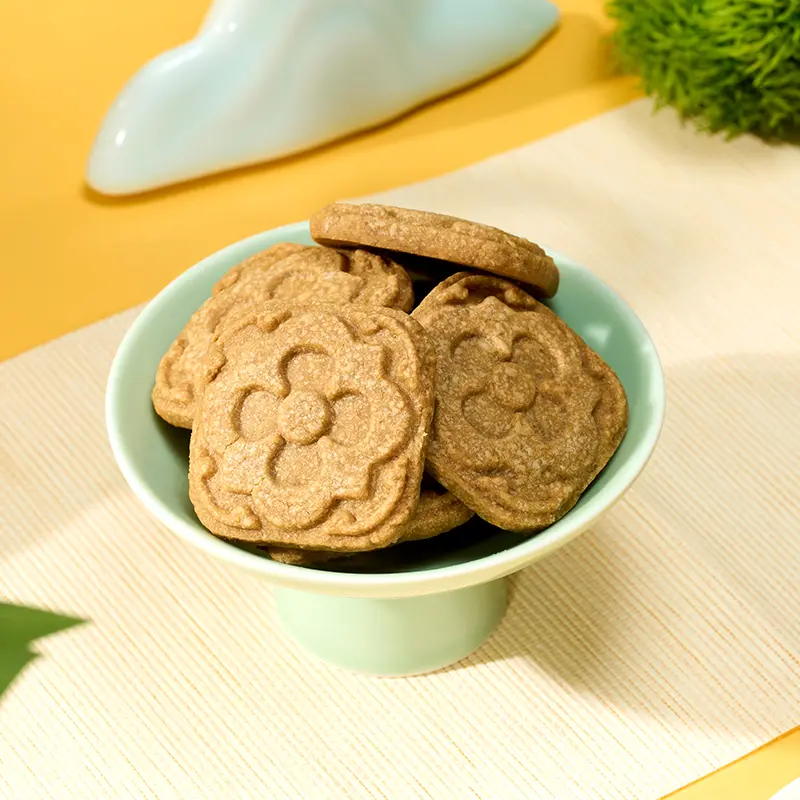
The goal is to shape the dough in a way that minimizes handling later and protects its structure. Follow this key principle: shape first, freeze second, bake last. Here is a professional workflow:
-
Mix & Pat: Prepare your CantonBake scone dough using your favorite recipe, ensuring ingredients like butter are cold. Gently pat the dough into a cohesive disk or rectangle on a lightly floured surface.
-
Cut & Separate: Use a sharp, floured cutter to cleanly press straight down through the dough. Do not twist. For triangles, shape the dough into a neat circle or rectangle and cut into wedges or squares with a sharp knife.
-
Flash Freeze: This is the critical technique. Place the shaped, unbaked scones on a parchment-lined baking sheet, ensuring they are not touching. Freeze them uncovered for 1-2 hours until they are completely solid. This prevents them from sticking together and deforming.
-
Package for Storage: Once solid, transfer the individual Frozen Unbaked Scone portions into a high-quality, airtight container or heavy-duty freezer bag. Squeeze out excess air to prevent freezer burn.
Understanding the science behind the shape helps preserve quality. Consider this comparison:
| Shaping Factor | Correct Technique | Risk of Incorrect Technique |
|---|---|---|
| Cutter Action | Press straight down without twisting. | Twisting seals the edges, impeding rise and resulting in lopsided scones. |
| Dough Temperature | Shape while dough is cold but pliable, then flash-freeze. | Shaping warm dough or skipping flash-freezing causes butter to melt, leading to spread and tough texture. |
| Final Shape Before Freeze | Individual, portioned scones on a tray. | Freezing dough as one large block requires re-handling, which overworks the dough. |
Frozen Unbaked Scone FAQ
Q: Can I freeze scone dough in one big block and shape it after thawing?
A: It is strongly discouraged. Thawing and re-working the dough will lead to over-handling, which melts the butter and develops the gluten, resulting in dense, tough scones that do not rise properly.
Q: Do I need to adjust the baking time for scones that were shaped and frozen?
A: Yes, but only slightly. Bake your Frozen Unbaked Scone directly from the freezer. Add 2-4 minutes to the original recipe's baking time. They are done when the tops are golden brown and a toothpick inserted comes out clean.
Q: How long can I store properly shaped scone dough in the freezer?
A: When packaged correctly in an airtight container after the flash-freeze step, your CantonBake scone dough will maintain optimal quality for up to 3 months. For the best flavor and texture, we recommend baking within this timeframe.
Perfecting your Frozen Unbaked Scone technique unlocks the convenience of fresh-baked goodness anytime. By following these professional shaping and freezing methods, you ensure every batch from your kitchen meets the high standard you expect. At CantonBake, we are passionate about empowering bakers with the knowledge to achieve perfect results.
Contact us today through our website if you have more questions or would like to explore our curated selection of premium baking guides and tools designed for excellence.