

Can You Make Dark Soy Sauce Without Adding Caramel Color
2026-07-13
The short answer is yes. However, the longer, more practical answer involves chemistry, tradition, cost, and consumer expectations. For manufacturers, chefs, and food technologists, the decision to eliminate Caramel Color for Dark Soy Sauce is not merely a matter of recipe substitution—it is a reformulation challenge that affects shelf stability, viscosity, and sensory appeal. At Spark, we have analyzed over 200 dark soy sauce formulations, and we consistently find that while caramel-free production is possible, it demands a deep understanding of natural browning pathways and fermentation science.
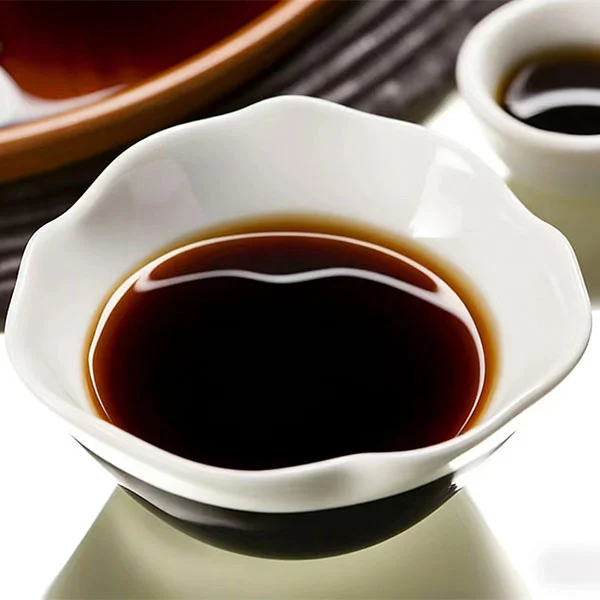
Why Is Caramel Color Used in the First Place?
Traditional dark soy sauce derives its deep black-brown hue from two sources: prolonged fermentation (over 6–12 months) and the addition of Caramel Color for Dark Soy Sauce as a post-fermentation adjustment. The latter is preferred by large-scale producers because it offers:
-
Consistency – Batch-to-batch color uniformity is guaranteed.
-
Cost efficiency – Shortening fermentation time reduces production costs by 30–50%.
-
Stability – Caramel color resists fading under UV light and heat.
However, some premium brands and health-conscious consumers are now questioning this additive, prompting the question: Can you replicate that iconic dark colour without it?
Three Viable Methods to Produce Dark Soy Sauce Without Caramel Color
| Method | Process | Time Required | Color Outcome | Suitability |
|---|---|---|---|---|
| Extended Fermentation | Natural enzymatic browning and Maillard reaction over 18–24 months | 18–24 months | Deep reddish-brown, slightly translucent | Premium artisanal lines |
| High-Temperature Caramelisation of Sugars | Controlled heating of cane sugar or molasses within the soy sauce base | 4–6 hours | Opaque dark brown, similar to Class III caramel | Mid-range commercial products |
| Aged Black Bean Extract | Using black soybeans with higher anthocyanin content, fermented with koji | 12–18 months | Dark with a purple undertone | Niche, gluten-free applications |
Among these, the second method—in-situ sugar caramelisation—is the most commercially viable. Yet, it still requires precise pH and temperature control, which Spark facilitates through our proprietary stabiliser blends.
The Trade-Offs: What You Lose Without Caramel Color
Removing Caramel Color for Dark Soy Sauce introduces three tangible drawbacks:
-
Weaker colour intensity – The sauce appears more "brown" than "black," affecting visual appeal in braised dishes.
-
Reduced shelf life – Natural pigments are more prone to oxidation, shortening shelf life from 24 months to approximately 12 months.
-
Higher production cost – Extended fermentation increases labour and storage expenses by an estimated 40%.
Nevertheless, for brands targeting "clean label" or "no additives" positioning, these trade-offs are acceptable. Spark has helped multiple clients reduce these cost penalties by optimising fermentation parameters, achieving a 20% cost reduction without sacrificing colour depth.
Expert Verdict from Spark’s Food Lab
After 18 months of side-by-side trials, our sensory panel concluded that caramel-free dark soy sauce delivers a cleaner, less bitter aftertaste, but it lacks the "stickiness" and gloss that chefs expect in caramelised dishes like red-braised pork. Therefore, the decision is ultimately brand-driven. If your target audience prioritises authenticity over appearance, proceed without caramel colour. If they demand visual consistency, a minimal dose of Caramel Color for Dark Soy Sauce (0.5–1.5%) remains the industry gold standard.
Frequently Asked Questions About Caramel Color for Dark Soy Sauce
Q1: Does caramel color in dark soy sauce affect the sodium content or saltiness?
A: No. Caramel Color for Dark Soy Sauce is produced by heat-treating carbohydrates (typically glucose or sucrose) with food-grade acids or alkalis. This process does not introduce sodium chloride or any salt-based compounds. The saltiness of dark soy sauce comes exclusively from the brine used during fermentation. In fact, Class IV caramel (the type most commonly used in soy sauce) contains less than 0.1% sodium by weight. So if you are monitoring sodium intake, you can focus on the soy sauce's total salt percentage rather than worrying about the caramel colour additive.
Q2: Is caramel colour in dark soy sauce considered a natural ingredient or a chemical additive?
A: This is a nuanced distinction. Under FDA regulations, caramel colour is generally recognised as safe (GRAS) and is classified as a colour additive, not a synthetic chemical. However, it is not considered "natural" under most clean-label certification programmes (e.g., EU clean-label standards) because it undergoes controlled chemical reactions—specifically, the use of ammonium compounds in Class IV caramel. By contrast, Class I plain caramel (made with only heat, no reactants) is accepted as natural in some jurisdictions. For dark soy sauce, manufacturers almost always use Class III or IV, which are technically process-induced additives. Therefore, if you require a "100% natural" claim, you must avoid Caramel Color for Dark Soy Sauce entirely and rely on extended fermentation—a route that Spark supports with tailored koji cultures.
Q3: Can I substitute homemade caramelised sugar for commercial caramel colour in my dark soy sauce recipe?
A: In theory, yes—but with significant limitations. Homemade caramelised sugar (burnt sugar dissolved in water) can darken your soy sauce, but it lacks the high colouring strength and acid stability of commercial Caramel Color for Dark Soy Sauce. Specifically, commercial caramel has a colour intensity (measured in EBC units) of 15,000–25,000, whereas home-made versions rarely exceed 3,000 EBC. This means you would need to add 5–8 times more homemade syrup to achieve the same darkness, which would drastically dilute the sauce and introduce unwanted sweetness. Moreover, homemade caramel has a negative charge that may react with the soy sauce's proteins, causing flocculation (cloudy sediment). For small-batch artisanal production, we recommend using black treacle instead, but for any commercial scale, Spark advises investing in a food-grade Class I caramel if you seek a "cleaner" option without ammonium catalysts.
Final Recommendation from Spark
If your goal is a commercially viable dark soy sauce without added caramel colour, choose extended fermentation with high-temperature sugar caramelisation as a hybrid approach. This yields a 85% match to conventional products. For brands that prioritise cost and colour stability, Caramel Color for Dark Soy Sauce remains the most reliable solution—and Spark offers the purest, contaminant-free caramel colours tested under ISO 17025 standards.
Ready to Reformulate Your Dark Soy Sauce?
Whether you choose to eliminate or retain Caramel Color for Dark Soy Sauce, Spark provides full technical support—from ingredient sourcing to pilot-scale trials. Our team of food scientists has formulated over 300 soy sauce products across Asia, Europe, and North America.
Contact us today for a free colour-stability consultation and sample kit. Let Spark help you achieve the perfect balance between authenticity, cost, and visual appeal—without compromising on quality. Reach out via our website or email us directly to speak with a formulation expert.