

How Can Fruit Wine Enhance Your Product Portfolio and Meet Modern Consumer Demand?
2026-06-12
Abstract
Fruit wine has become one of the fastest-growing categories in the alcoholic beverage market, attracting consumers who seek refreshing flavors, natural fruit aromas, and diverse drinking experiences. Whether sold through supermarkets, restaurants, gift channels, online platforms, or private-label brands, fruit wine offers significant business opportunities for distributors and importers.
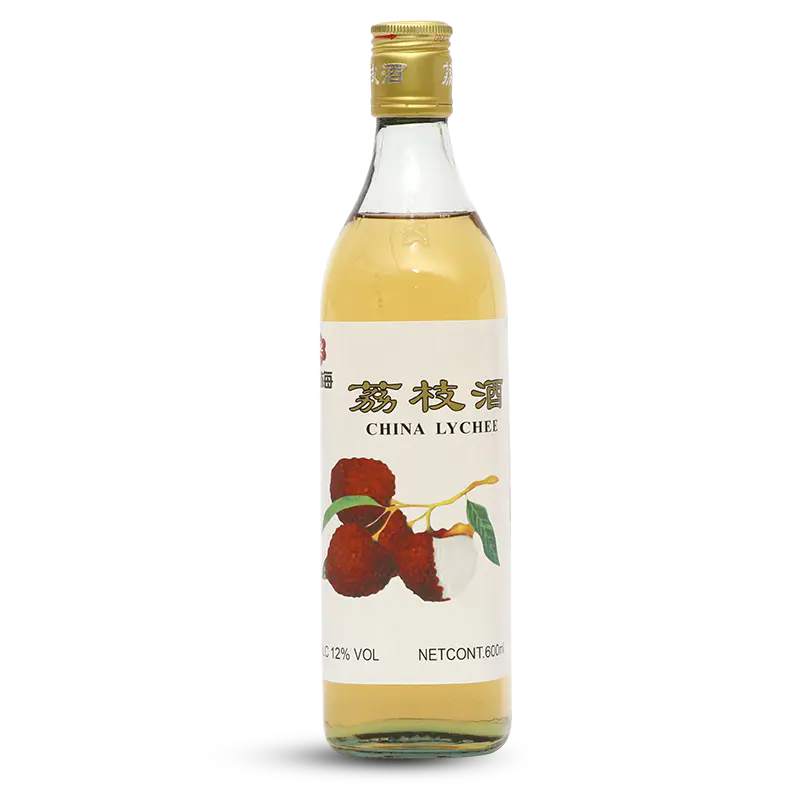
This article explores how fruit wine is produced, why it is gaining popularity worldwide, how businesses can select reliable suppliers, and what customization options are available for developing unique fruit wine products. We will also discuss packaging innovations, quality considerations, and how custom bottle-shaped solutions can help brands stand out in a competitive marketplace.
Table of Contents
- Understanding Fruit Wine
- Why Fruit Wine Is Growing in Popularity
- How Fruit Wine Is Made
- Key Benefits for Importers and Distributors
- Customization Opportunities for Private Brands
- How to Choose a Reliable Fruit Wine Supplier
- Fruit Wine vs Traditional Grape Wine
- Popular Market Applications
- Future Trends in the Fruit Wine Industry
- FAQ
- Contact Us
Understanding Fruit Wine
Fruit wine refers to alcoholic beverages produced through the fermentation of fruits other than grapes. Manufacturers may use berries, peaches, plums, lychees, cherries, apples, pears, mangoes, and many other fruits to create distinctive flavor profiles.
Unlike conventional wines that rely primarily on grapes, fruit wines provide greater flexibility in aroma, sweetness, acidity, and color. This versatility allows brands to target a broader consumer base, including younger drinkers and customers looking for innovative beverage experiences.
Modern fruit wine products can range from light and refreshing styles to premium aged varieties with complex flavor characteristics. As consumer preferences continue evolving, fruit wine has emerged as an attractive category for businesses seeking product differentiation.
Why Fruit Wine Is Growing in Popularity
Several market factors are contributing to the increasing demand for fruit wine worldwide.
- Growing interest in natural fruit-based beverages
- Preference for lighter and smoother alcoholic drinks
- Demand for innovative flavors
- Expanding gift and premium beverage markets
- Increasing popularity among younger consumers
- Strong appeal for social gatherings and celebrations
Consumers today often seek products that combine attractive appearance, pleasant taste, and unique storytelling. Fruit wine naturally satisfies these expectations by offering a wide variety of fruit origins and flavor experiences.
For importers and distributors, this trend creates opportunities to introduce differentiated products with strong market potential.
How Fruit Wine Is Made
The production of fruit wine involves several carefully controlled stages designed to preserve fruit characteristics while ensuring consistent quality.
| Production Stage | Description |
|---|---|
| Fruit Selection | Carefully chosen ripe fruits provide optimal flavor and aroma. |
| Preparation | Cleaning, sorting, and processing the fruit. |
| Fermentation | Yeast converts sugars into alcohol under controlled conditions. |
| Maturation | Wine develops balance, complexity, and smoothness. |
| Filtration | Removes impurities and improves clarity. |
| Bottling | Final packaging according to market requirements. |
Advanced manufacturing facilities monitor temperature, fermentation conditions, and quality parameters throughout production to ensure consistency from batch to batch.
Key Benefits for Importers and Distributors
Businesses entering the fruit wine sector can benefit from several competitive advantages.
Product Differentiation
Fruit wine provides a unique alternative to traditional alcoholic beverages, helping distributors offer distinctive products within crowded retail environments.
Broader Consumer Appeal
The approachable flavor profile of many fruit wines can attract both experienced wine consumers and newcomers to the category.
Flexible Positioning
Fruit wine can be marketed as:
- Premium gift products
- Restaurant beverage selections
- Retail shelf products
- Seasonal promotional items
- Private-label offerings
- Tourism and specialty products
Higher Brand Recognition
Unique fruit ingredients and creative packaging often help products gain stronger shelf visibility and consumer attention.
Customization Opportunities for Private Brands
One of the most valuable advantages for importers and wholesalers is the ability to customize fruit wine products according to specific market requirements.
Ningbo Ala Rice Wine Co., Ltd. offers extensive customization capabilities that help clients develop unique products aligned with their brand positioning.
Available Customization Options
- Customized fruit wine formulas
- Alcohol content adjustment
- Sweetness level customization
- Private-label branding
- Custom packaging design
- Gift box development
- Multilingual labeling
- OEM and ODM production
Boat-Shaped Bottle Customization Advantage
A particularly distinctive feature is support for boat-shaped bottle customization. Compared with conventional round bottles, boat-shaped designs create stronger visual impact, enhance premium perception, and improve shelf differentiation.
For gift markets, tourism products, commemorative editions, and premium beverage collections, customized boat-shaped bottles can significantly increase product attractiveness and brand memorability.
This packaging innovation helps businesses create exclusive product lines that are difficult for competitors to replicate.
How to Choose a Reliable Fruit Wine Supplier
Selecting the right manufacturing partner plays a critical role in long-term business success.
When evaluating suppliers, consider the following criteria:
| Evaluation Factor | Why It Matters |
|---|---|
| Production Experience | Ensures manufacturing expertise and quality consistency. |
| Quality Control | Reduces product risks and maintains standards. |
| Customization Capability | Supports private-label and OEM projects. |
| Export Experience | Facilitates international market compliance. |
| Packaging Options | Enhances market competitiveness. |
| Supply Stability | Ensures reliable long-term cooperation. |
Experienced manufacturers can provide valuable guidance throughout product development, packaging design, regulatory compliance, and market launch processes.
Fruit Wine vs Traditional Grape Wine
| Feature | Fruit Wine | Traditional Grape Wine |
|---|---|---|
| Flavor Variety | Very High | Moderate |
| Consumer Accessibility | High | Moderate |
| Innovation Potential | Excellent | Limited |
| Customization Opportunities | Extensive | Moderate |
| Gift Market Appeal | Strong | Strong |
| Packaging Flexibility | Very High | Moderate |
While traditional grape wines remain important in global markets, fruit wines offer significant opportunities for innovation and market expansion.
Popular Market Applications
Fruit wine products can successfully serve multiple commercial channels.
- Supermarkets and retail chains
- Hotels and resorts
- Restaurants and bars
- Duty-free stores
- Gift and souvenir shops
- Online marketplaces
- Corporate gift programs
- Private-label beverage brands
The flexibility of fruit wine allows businesses to target various customer segments while maintaining strong product differentiation.
Future Trends in the Fruit Wine Industry
The fruit wine industry is expected to continue evolving through innovation and customization.
Emerging trends include:
- Premium fruit wine collections
- Special regional fruit varieties
- Creative bottle designs
- Personalized gift packaging
- Low-alcohol fruit wine options
- Luxury private-label products
- Cross-border beverage collaborations
Companies capable of combining quality production, innovative packaging, and flexible customization will be well positioned to meet future market demand.
FAQ
Q1: What fruits can be used to produce fruit wine?
Fruit wine can be made from a wide variety of fruits, including berries, plums, peaches, lychees, apples, pears, cherries, mangoes, and many others.
Q2: Is fruit wine suitable for private-label projects?
Yes. Many manufacturers provide OEM and ODM services that allow clients to customize formulations, labels, bottles, and packaging.
Q3: What makes fruit wine attractive to consumers?
Its refreshing fruit flavors, approachable taste profile, attractive appearance, and diverse product options appeal to a broad range of consumers.
Q4: Can bottle shapes be customized?
Yes. Professional manufacturers such as Ningbo Ala Rice Wine Co., Ltd. can support customized packaging solutions, including distinctive boat-shaped bottle designs.
Q5: Is fruit wine suitable for gift markets?
Absolutely. Premium fruit wines combined with elegant packaging are highly suitable for gift, tourism, and commemorative product applications.
Contact Us
Looking to expand your beverage portfolio with premium fruit wine products? Ningbo Ala Rice Wine Co., Ltd. offers comprehensive OEM and ODM solutions, flexible private-label services, premium fruit wine formulations, and distinctive boat-shaped bottle customization designed to help your brand stand out in competitive markets.
Whether you are a distributor, importer, retailer, or brand owner seeking innovative fruit wine products, our experienced team is ready to provide tailored solutions that match your business goals and market requirements.
Contact us today to discuss your custom fruit wine project and discover how our manufacturing expertise, flexible customization capabilities, and unique packaging solutions can help grow your business.