

Summary: Potato starch is a versatile ingredient widely used in food, pharmaceutical, and industrial applications. Its unique properties, including high viscosity and water-binding capacity, make it an essential component in enhancing texture, stability, and shelf life. This article explores the benefits, applications, and practical tips for using potato starch effectively, helping businesses and manufacturers solve common production challenges.
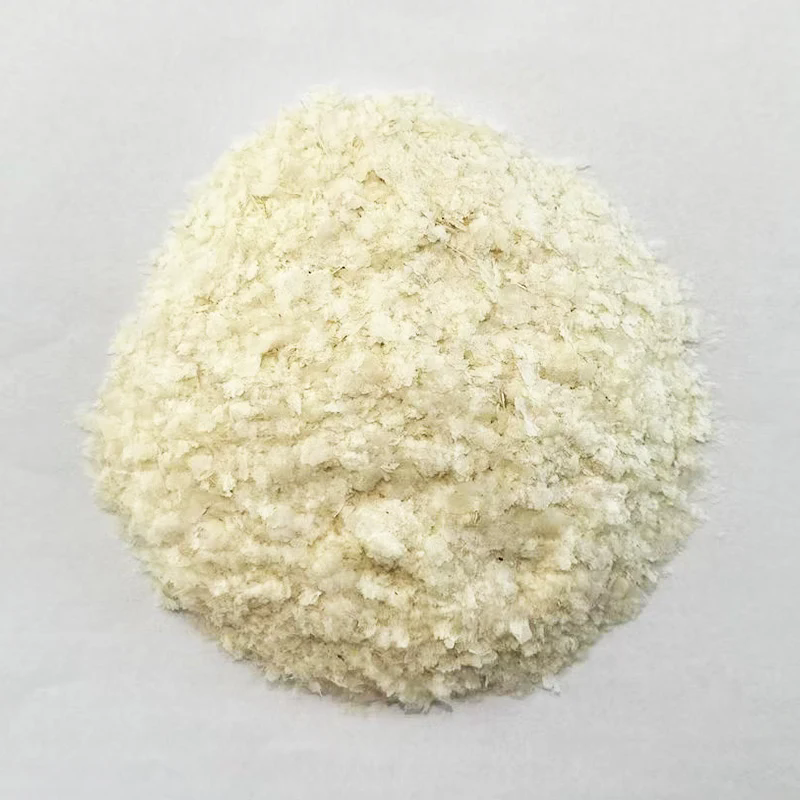
Table of Contents
- What is Potato Starch?
- Benefits of Using Potato Starch
- Applications Across Industries
- Usage Tips and Best Practices
- Comparison with Other Starches
- FAQ
- Contact Wenxing
What is Potato Starch?
Potato starch is a natural carbohydrate extracted from potatoes. It appears as a fine, white powder with a neutral taste and odorless profile. Unlike other starches, potato starch has a high amylopectin content, which gives it exceptional gelatinization properties and makes it ideal for thickening and binding applications.
- Origin: Extracted from fresh potatoes through washing, grinding, and drying.
- Composition: Primarily starch (amylopectin) with negligible protein and fat content.
- Characteristics: High swelling power, excellent freeze-thaw stability, and superior water-binding ability.
Benefits of Using Potato Starch
Potato starch offers a range of advantages in both industrial and culinary applications:
- Improved Texture: Provides smooth and creamy textures in sauces, soups, and desserts.
- Enhanced Stability: Prevents separation and maintains product consistency during storage.
- Thickening Agent: Effective even at low concentrations, reducing costs.
- Gluten-Free Option: Ideal for gluten-free baking and food formulations.
- Eco-Friendly: Naturally biodegradable and non-toxic.
Applications Across Industries
Potato starch is widely used in multiple industries:
| Industry | Application | Benefits |
|---|---|---|
| Food | Soups, sauces, baked goods, snacks | Improves texture, thickening, and shelf life |
| Pharmaceutical | Tablet binder, capsule filler | Enhances consistency and disintegration control |
| Textile | Fabric stiffening and finishing | Improves strength and smoothness |
| Paper | Coating and sizing | Enhances smoothness and print quality |
Usage Tips and Best Practices
- Always mix potato starch with cold water before heating to avoid clumping.
- Use minimal concentrations for thickening to maintain clarity in sauces and gels.
- Store in a cool, dry place to prevent moisture absorption and spoilage.
- Consider blending with other starches for improved freeze-thaw stability.
Comparison with Other Starches
Potato starch has distinct advantages over corn and tapioca starch:
| Property | Potato Starch | Corn Starch | Tapioca Starch |
|---|---|---|---|
| Gel Strength | High | Moderate | Moderate |
| Freeze-Thaw Stability | Excellent | Poor | Good |
| Clarity of Gel | Clear | Opaque | Clear |
FAQ
Q1: Is potato starch gluten-free?
A1: Yes, potato starch is naturally gluten-free and safe for individuals with gluten intolerance.
Q2: Can potato starch be used in baking?
A2: Absolutely. It is excellent for adding softness and moisture retention in baked goods.
Q3: How should potato starch be stored?
A3: Store in a sealed container in a cool, dry place to maintain its quality and prevent moisture absorption.
Contact Wenxing
Looking to source high-quality potato starch for your products? Wenxing provides premium-grade potato starch suitable for food, pharmaceutical, and industrial applications. Our team is ready to assist you in optimizing your formulations and production efficiency. Contact us today to learn more and request a quote!