

How Do You Make Flaky Pastry from Frozen Raw Dough
2026-01-05
Achieving a perfectly light, buttery, and flaky pastry can seem daunting, but with high-quality Frozen Pastry Raw Dough, it's wonderfully accessible. The secret lies not just in the ingredients, but in the handling and baking technique. At CantonBake, we craft our premium Frozen Pastry Raw Dough with a focus on consistency and performance, giving home bakers a reliable foundation for success. This guide will walk you through the professional steps to unlock maximum flakiness every time.
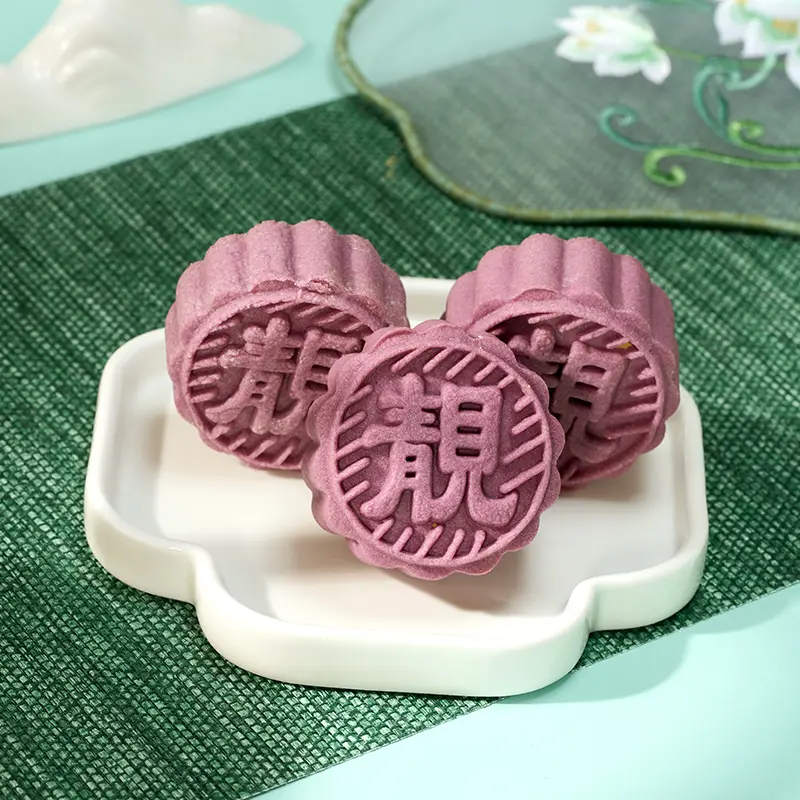
The journey to flakiness begins long before the oven is preheated. Proper handling is 90% of the battle.
-
Thaw with Patience: Always thaw your Frozen Pastry Raw Dough slowly in the refrigerator overnight. This keeps the butter layers firm and distinct, which is crucial for creating flaky separations during baking.
-
Work Cool and Fast: Keep the dough, your tools, and your hands as cool as possible. Warm butter melts and gets absorbed into the flour, resulting in a greasy, dense pastry instead of a flaky one.
-
Minimize Handling: Overworking the dough develops gluten, leading to toughness. Roll and shape it only as much as necessary.
-
The Chill Factor: After shaping, always chill the pastry again for at least 30 minutes. This re-solidifies the butter, ensuring it steams in layers during baking.
-
Bake Hot and Steamy: A high initial oven temperature (often 400°F/200°C or above) is essential. The rapid heat turns the water in the butter into steam, puffing up the distinct layers.
The following table outlines the critical phases and their specific objectives for flakiness:
| Phase | Key Action | Purpose for Flakiness |
|---|---|---|
| Preparation | Thaw in refrigerator | Maintains butter integrity, prevents melting |
| Shaping | Work quickly on cool surface | Avoids blending butter into flour |
| Resting | Chill shaped dough before baking | Re-firms butter layers for optimal steam production |
| Baking | Use high initial temperature | Creates explosive steam to separate and lift layers |
Frozen Pastry Raw Dough FAQ
Q: Can I thaw my CantonBake Frozen Pastry Raw Dough at room temperature?
A: We strongly advise against it. Thawing at room temperature causes the outer layers of butter to melt prematurely while the core remains frozen, compromising the layered structure. Refrigerator thawing is the only method we recommend for professional-grade results.
Q: My baked pastry seems greasy and didn't rise much. What went wrong?
A: This typically indicates that the butter melted into the dough before baking, often due to the dough becoming too warm during handling. Ensure your dough is always cool to the touch. If the kitchen is hot, work in shorter bursts and return the dough to the fridge if it becomes soft.
Q: Can I re-roll the scraps of dough after cutting my shapes?
A: You can, but handle minimally. Gently press the scraps together in a single layer, fold once, chill thoroughly, and re-roll. Note that pastries from re-rolled dough will be slightly less flaky than the first batch, as the layers have been compressed.
Mastering flaky pastry is a rewarding skill, and starting with a superior base makes all the difference. CantonBake's commitment to quality ensures our Frozen Pastry Raw Dough provides the perfect balance of flavor and structure for your culinary creations. With the right techniques, you can consistently achieve bakery-worthy results that will impress any guest.
Ready to elevate your baking? Explore our full range of professional-grade products and discover more detailed tutorials on our website. For specific questions about our doughs and their best uses, please contact us today—our baking experts are here to help you succeed.