

How Does a High-Performance Steam Iron Transform Garment Care Today?
2025-12-11
Steam irons have evolved into precision-engineered appliances designed to streamline garment care, elevate fabric presentation, and support demanding household or commercial pressing workflows. A modern steam iron integrates controlled heat, variable steam output, stable soleplate materials, and safety systems to ensure consistent crease removal across cotton, linen, synthetics, and delicate blends.
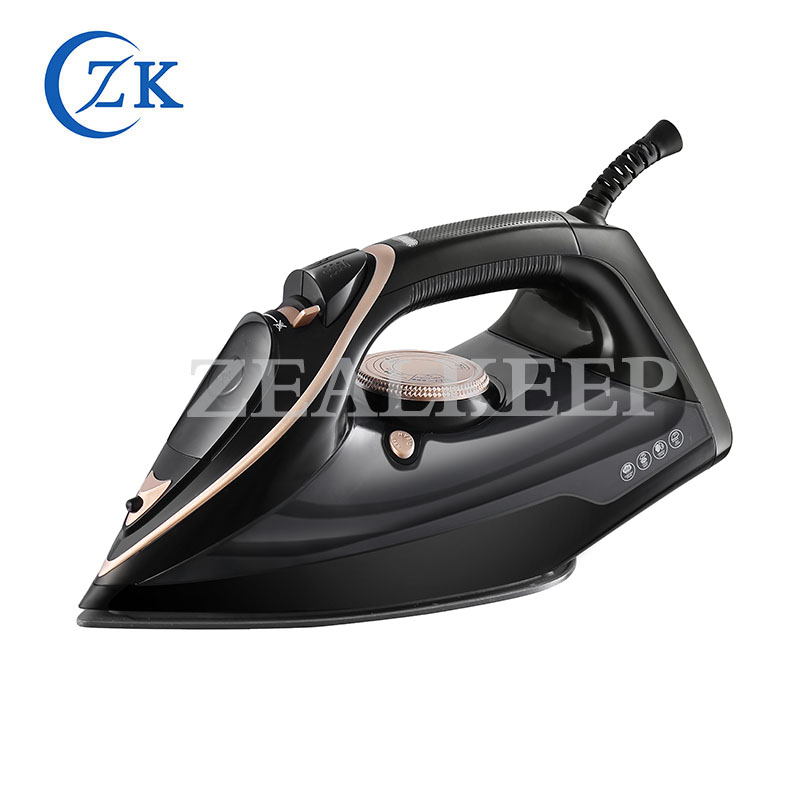
Core Product Parameters of a High-Precision Steam Iron
| Parameter Category | Specification Description |
|---|---|
| Power Output | 1200W–2400W heating system enabling rapid temperature rise and sustained steam delivery |
| Soleplate Material | Ceramic, stainless steel, or enhanced non-stick alloys optimized for glide and thermal stability |
| Steam Output | Adjustable 15–40 g/min continuous steam; 120–180 g burst steam for stubborn creases |
| Water Tank Capacity | 200–380 ml, facilitating uninterrupted ironing sessions |
| Temperature Control | Multi-fabric selector with precision thermostatic regulation |
| Safety Mechanisms | Auto shut-off, anti-drip valves, overheat protection, stable heel rest |
| Descale Features | Anti-calc cartridge or flush system to extend heating element life |
| Cord Design | 1.8–2.5 m 360° swivel cord or retractable cord structure |
| Additional Functionalities | Vertical steaming, spray mist nozzle, self-cleaning mode |
These parameters collectively determine steam concentration, heat stability, user comfort, and long-term appliance durability. Their configuration also guides how effectively the steam iron responds to diverse textiles and garment constructions.
How Does Steam Delivery Technology Shape Ironing Efficiency?
Steam delivery defines how moisture penetrates fibers to relax molecular bonds, enabling fabric reshaping with minimal effort. Steam irons employ controlled vaporization from the internal heating chamber, channeling steam through evenly spaced micro-nozzles.
Key considerations include:
1. Continuous Steam Regulation
Continuous steam output supports smooth gliding and prevents localized overheating. Higher outputs are suited for dense materials like denim and upholstery fabrics.
2. Burst Steam Functionality
Burst steam is essential for tackling structured seams, multilayer collars, or set-in wrinkles. Its utility is tied to precise control—excessive moisture may saturate fabrics instead of relaxing them.
3. Vertical Steam Performance
Vertical steam allows users to freshen drapes, coats, and delicate garments without direct soleplate contact. Performance depends on pressure consistency and nozzle geometry.
This section underscores that effective steaming is not only about raw power but the orchestration of thermal balance, vapor concentration, and mechanical distribution.
How Do Soleplate Engineering and Thermal Systems Influence Results?
The soleplate is the direct interface between appliance and textile. Its material characteristics, shape, and heat-holding capacity influence performance quality.
1. Material Dynamics
Ceramic soleplates offer smooth glide and uniform heat dispersion, well suited for high-frequency household use. Stainless steel provides durability and scratch resistance, ideal for heavier workloads. Advanced alloy coatings reduce friction and mitigate fabric snagging.
2. Heat Stability and Recovery Speed
Thermostatic stability ensures heat recovery between passes, preventing inconsistent results. A higher wattage system typically achieves faster recovery, which is particularly beneficial for continuous pressing tasks.
3. Soleplate Geometry
Pointed tips enhance navigation around buttons and pleats. Multi-directional designs reduce wrist rotation and support ergonomic operation during long sessions.
Through refined engineering, the soleplate becomes a precision instrument capable of maintaining fabric integrity while delivering high-caliber wrinkle removal.
How Should Consumers Evaluate Steam Iron Performance for Long-Term Reliability?
Consumers evaluating a steam iron must consider not only immediate results but lifecycle longevity, safety architecture, and maintenance requirements.
1. Internal Scale Management
Mineral accumulation can compromise steam flow and heating efficiency. Anti-calc systems are critical for extending service life—especially in areas with hard water.
2. Safety Architecture
Auto shut-off protects against accidental burns and electrical hazards by powering down after periods of inactivity. Anti-drip mechanisms preserve fabric appearance by preventing water leakage at low temperatures.
3. Ergonomic and Operational Efficiency
Tank size affects usability; small tanks require frequent refilling, whereas larger ones increase operational time. Cord flexibility directly influences motion control and user comfort.
Reliability stems from integrated design where every technical element reinforces stability and operational assurance.
How Will Future Steam Irons Reinforce Precision, Automation, and Fabric Intelligence?
The next wave of garment-care technology will emphasize adaptive intelligence, resource efficiency, and precision automation. Pursuing improved user outcomes, manufacturers are increasingly exploring:
1. Smart Fabric Sensors
Advanced systems are expected to identify textile composition automatically and regulate temperature, eliminating guesswork and preventing thermal damage.
2. Steam Optimization Algorithms
Dynamic steam output—adjusted in real time according to garment thickness—will reduce energy waste and enhance performance on diverse materials.
3. Integrated Water Purification
Built-in micro-filtration may become standard to combat scale formation and improve steam quality across prolonged operational cycles.
4. Low-Energy Heat Modules
Innovative heating elements capable of rapid heat-up with reduced power consumption will align with sustainability expectations.
These projected trends indicate an industry evolving toward highly accurate, energy-conscious garment-care solutions.
Frequently Asked Questions
Q1: How should a steam iron be maintained to ensure long-term performance?
A steam iron should be descaled according to the frequency of use and local water hardness. Many units include a self-clean cycle that flushes mineral deposits from the chamber. Users should empty the water tank after use, wipe the soleplate once cooled, and store the unit upright. Following these steps preserves heat stability, steam integrity, and mechanical reliability.
Q2: How can a steam iron be used safely across delicate fabrics without causing damage?
Delicate fabrics require controlled temperature settings and minimal direct moisture. Selecting the lowest recommended heat level and employing vertical steaming can prevent fiber distortion. Additionally, using a pressing cloth provides an extra layer of thermal protection. Proper temperature management ensures delicate textiles retain structural and aesthetic quality.
In conclusion, the evolution of steam iron technology reflects a commitment to precision, operational consistency, and fabric care innovation. For consumers and businesses seeking high-caliber garment-care solutions, Zealkeep delivers appliances engineered with advanced thermal systems, stable steam distribution, and material-conscious design to support both everyday use and demanding pressing applications. For inquiries regarding product specifications, procurement, or tailored recommendations, contact us.