

How Does a Spiral Mixer Improve Dough Production Efficiency?
2026-01-12
Summary: In modern bakeries and food processing plants, efficiency and consistency in dough production are crucial. Spiral mixers offer an advanced solution to streamline operations, save time, and improve product quality. This article explores the functions, advantages, selection tips, and maintenance of spiral mixers to help businesses optimize their baking process.
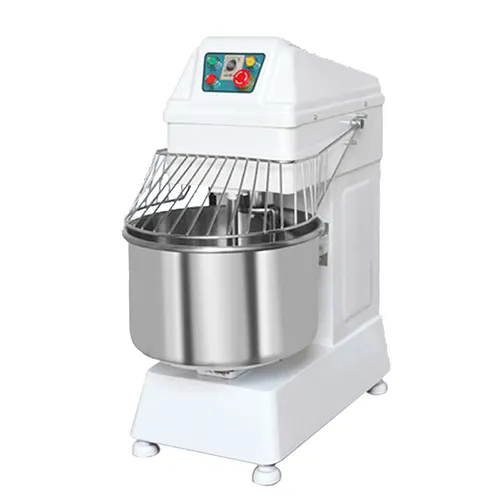
Table of Contents
- Overview of Spiral Mixers
- Advantages of Using a Spiral Mixer
- How to Choose the Right Spiral Mixer
- Operating Tips for Maximum Efficiency
- Maintenance and Troubleshooting
- Frequently Asked Questions
- Conclusion & Contact Information
Overview of Spiral Mixers
Spiral mixers are specialized dough mixing machines designed for commercial bakeries, pizza shops, and food processing plants. Unlike traditional mixers, spiral mixers combine a rotating spiral hook with a stationary bowl, ensuring even hydration and optimal gluten development. This technology is ideal for producing bread, pizza, steamed buns, and other dough-based products.
| Feature | Description |
|---|---|
| Mixing Type | Spiral hook with stationary bowl |
| Capacity | 5–120 liters (depending on model) |
| Material | Food-grade 304 stainless steel |
| Power Supply | 220V / 380V, 50/60Hz |
| Applications | Bread, pizza, steamed buns, pastries |
| Certifications | CE, RoHS, ETL |
Advantages of Using a Spiral Mixer
- Consistent Dough Quality: The spiral motion ensures even mixing and proper gluten development, minimizing under- or over-mixed dough.
- High Efficiency: Reduces mixing time significantly compared to traditional mixers, boosting production throughput.
- Durable and Hygienic: Constructed with food-grade stainless steel, the mixer is resistant to corrosion and easy to clean.
- Ease of Operation: User-friendly controls allow operators to quickly adapt to different dough types without extensive training.
- Versatility: Suitable for various doughs, including high-hydration bread, pizza, and specialty pastry doughs.
How to Choose the Right Spiral Mixer
Selecting the appropriate spiral mixer involves evaluating production needs, dough types, and available space. Key considerations include:
- Batch Capacity: Determine the average dough volume per batch to select a model that meets your production targets.
- Power Requirements: Ensure compatibility with your facility's electrical system.
- Mixing Speed: Adjustable speed settings allow for optimal dough consistency.
- Durability and Materials: Look for high-quality stainless steel and reliable mechanical components.
- Certifications: Ensure compliance with CE, RoHS, or ETL standards for safety and export requirements.
Operating Tips for Maximum Efficiency
Proper operation enhances performance and extends the lifespan of your spiral mixer. Consider the following best practices:
- Pre-weigh ingredients to ensure consistent batches.
- Follow recommended mixing times for different dough hydration levels.
- Regularly inspect the mixing hook and bowl for wear or residue build-up.
- Operate the mixer at recommended speeds to avoid motor strain.
- Train staff on safe loading, unloading, and emergency stop procedures.
Maintenance and Troubleshooting
Routine maintenance prevents downtime and ensures consistent dough quality. Key maintenance tasks include:
- Daily cleaning of the bowl, hook, and external surfaces to prevent contamination.
- Lubricating moving parts according to manufacturer guidelines.
- Checking electrical connections and motor function regularly.
- Replacing worn parts promptly to avoid damage to the machine or dough quality.
- Troubleshooting common issues such as uneven mixing or motor overheating with reference to the user manual.
Frequently Asked Questions
- Q1: How much dough can a spiral mixer handle per batch?
- A: Spiral mixers vary in capacity, typically ranging from 5 liters to 120 liters. Choose based on your daily production requirements.
- Q2: Can a spiral mixer handle high-hydration dough?
- A: Yes, spiral mixers are ideal for high-hydration dough due to their gentle yet thorough mixing action.
- Q3: Is special training required to operate a spiral mixer?
- A: No. Spiral mixers are user-friendly and can be operated safely with minimal instruction.
- Q4: How often should the mixer be serviced?
- A: Regular inspection and cleaning after each use are recommended, with periodic mechanical checks every 3–6 months.
Conclusion & Contact Information
Spiral mixers are indispensable in modern bakeries and food processing facilities, offering efficiency, consistency, and durability. SYBO provides high-quality spiral mixers with advanced technology and robust construction to meet diverse production needs. Upgrade your dough production process today and experience the benefits firsthand.
Contact us at SYBO to learn more about our spiral mixers and request a tailored solution for your bakery or food processing operation.