

How Does Canned Solid Tuna Deliver Superior Quality, Nutrition, and Market Growth Potential?
2025-12-04
Canned Solid Tuna has emerged as one of the most trusted and versatile seafood staples across global markets. Its reputation is built on purity, high protein density, firm texture, and dependable shelf stability. As consumer demand continues to shift toward convenient, nutrient-rich, and clean-label protein choices, Canned Solid Tuna remains central to household consumption, commercial foodservice operations, and international trade.
How Does Canned Solid Tuna Maintain Its Structure, Flavor, and Nutritional Integrity?
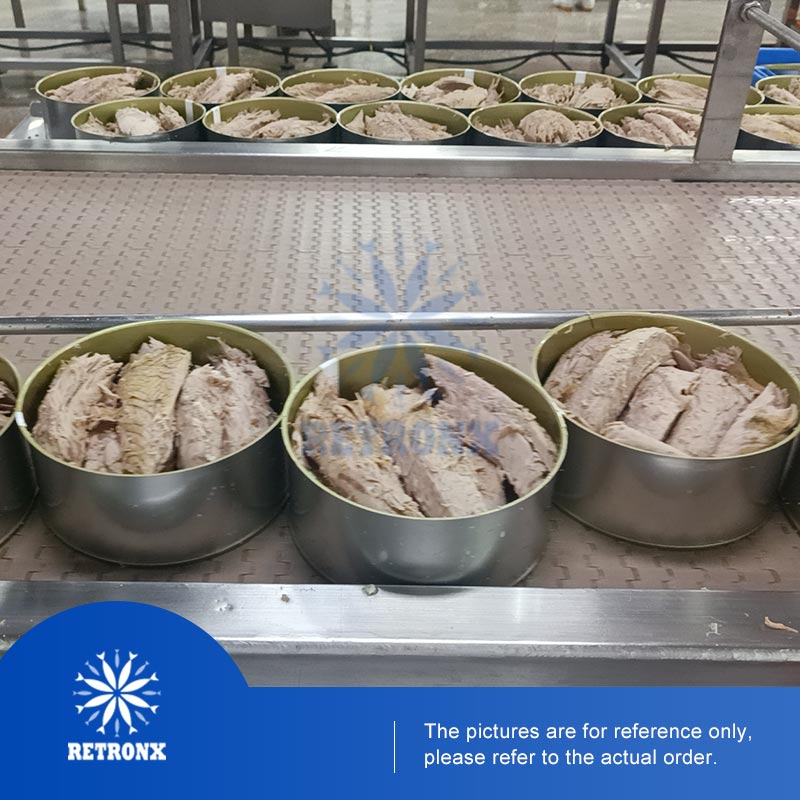
Canned Solid Tuna is produced using a carefully controlled sequence of sourcing, preprocessing, cooking, and thermal sterilization steps. The “solid” designation indicates that the can contains dense, cohesive tuna meat rather than flakes or shredded pieces. This structure is achieved through precise trimming, controlled cooking, and strict packing standards, ensuring that consumers experience firm texture and natural muscle fibers in every serving.
The product’s nutritional concentration remains intact because tuna has naturally high lean-protein content, minimal connective tissue, and a favorable fatty acid profile. When appropriately canned, these nutrients remain stable for extended periods without reliance on artificial preservatives.
Key Product Functions
-
Long‐term storage stability due to hermetic sealing and high-temperature sterilization.
-
Consistent flavor retention achieved through controlled brining or water-pack processes.
-
High nutritional density, particularly protein, omega-3 fatty acids, selenium, and vitamin B-complex.
-
Culinary versatility, suitable for salads, sandwiches, meal kits, sauces, and ready-to-eat formats.
How Do Technical Parameters Determine the Quality of Canned Solid Tuna?
Importers, retailers, and foodservice operators evaluate Canned Solid Tuna based on measurable technical criteria. These parameters influence product texture, flavor, safety, and suitability for commercial applications.
Technical Specifications Table
| Parameter | Description |
|---|---|
| Raw Material | Skipjack, Yellowfin, or Albacore tuna, handled under chilled conditions |
| Form | Solid, firm muscle blocks with minimal fragmentation |
| Packing Medium | In water, in brine, or in vegetable oil |
| Net Weight Range | 140 g, 170 g, 185 g, 188 g, 200 g, 500 g, and other customized sizes |
| Drained Weight Ratio | Typically ≥ 70% depending on regulatory requirements |
| Texture Standard | Firm, cohesive muscle segments; no excessive flaking |
| Color Range | Off-white to light pink for Albacore; pink to tan for Skipjack/Yellowfin |
| Additives | Normally none except salt or permitted flavorings; clean-label compliant |
| Microbiological Safety | Ensured through retort sterilization (commercial sterility) |
| Shelf Life | 3–5 years depending on storage conditions |
| Packaging Format | Easy-open or standard lid, printed lithograph can, bulk or retail packaging |
| Certifications | HACCP, ISO, FDA, BRC, Halal, depending on manufacturer |
These specifications guide buyers in assessing product suitability for particular markets or culinary needs. Higher drained weight and better muscle cohesion, for instance, attract retail consumers seeking premium quality, while larger formats appeal to foodservice buyers.
The global shift toward healthier diets has strengthened the role of seafood proteins, especially shelf-stable tuna. Canned Solid Tuna aligns with several consumer priorities:
Health-Driven Demand
-
High-protein diets are increasingly popular among fitness enthusiasts and general consumers.
-
Low fat content supports weight-management and heart-health trends.
-
Omega-3 fatty acids contribute to cognitive and cardiovascular health awareness campaigns.
Convenience and Versatility
Canned Solid Tuna eliminates the need for thawing, marinating, or extensive cooking. It integrates seamlessly into both quick meals and professional foodservice operations. Because the tuna remains in solid form, it presents well in salads, bowls, pasta dishes, and gourmet presentations.
Clean-Label Confidence
Buyers and consumers focus on minimal ingredients, sustainability sourcing, and traceable supply chains. Solid-pack tuna typically contains only tuna, water or oil, and salt, aligning with regulatory preference for transparent labeling.
Quality Assurance Through Rigorous Processing
Modern canning operations rely on:
-
metal detection
-
temperature and time control systems
-
automated cutting and packing equipment
-
quality control inspections at every stage
These steps ensure uniformity across batches, making Canned Solid Tuna a dependable category in international trade.
How Will Market Trends Shape the Future of Canned Solid Tuna?
The global canned seafood market is undergoing significant transformation. Canned Solid Tuna, due to its strength in nutrition and convenience, is positioned for sustained upward trajectory across multiple market segments.
Rising Protein Consumption
As global populations grow and dietary habits shift toward affordable protein, solid-pack tuna provides a scalable solution for regions facing price pressures on meat and poultry products.
Shift Toward Sustainable Seafood
Eco-friendly fishing methods, traceable supply systems, and responsible marine resource management are increasingly required by Western and Asian markets. Suppliers that demonstrate responsible sourcing gain preferential placement with retailers and importers.
Growth of Ready-to-Eat Meal Kits
Meal-kit companies, convenience food brands, and canned-meal innovators seek tuna with reliable texture and flavor. Solid-pack tuna’s structure ensures it maintains form even when mixed with sauces or packaged in ready-made dishes.
Premiumization Opportunities
Consumers increasingly distinguish between:
-
flaked tuna
-
chunk tuna
-
solid-pack tuna
Solid tuna commands higher value in markets that reward texture and appearance. Premium retail channels prefer products with clean labeling, high drained weight, and consistent muscle blocks.
Technological Advancements in Canning
Improvements in retort systems, packaging materials, and potting techniques allow manufacturers to optimize flavor retention and texture stability. These advancements contribute to longer shelf life, reduced thermal damage, and better preservation of natural nutrients.
FAQs
Q: How can the quality of Canned Solid Tuna be evaluated during purchase?
A: Quality evaluation relies on drained weight, muscle cohesion, color uniformity, and absence of excessive flakes. Clear ingredient labeling and recognized quality certifications (such as HACCP or BRC) indicate proper manufacturing. Buyers can also assess lid integrity, can firmness, and production date to confirm freshness at the time of sale.
Q: How should Canned Solid Tuna be stored to maintain safety and flavor?
A: The cans should be kept in a cool, dry environment away from heat sources. Storage temperatures between 10°C and 25°C help preserve both taste and structural quality. Once opened, the tuna should be transferred to a covered food-safe container, refrigerated, and consumed within 1–2 days to maintain freshness.
Canned Solid Tuna continues to deliver consistent value in global food markets, driven by its nutritional strength, stable supply, long shelf life, and compatibility with modern dietary patterns. As food manufacturers and retailers look for clean-label, high-protein options, this product remains a dependable choice supported by measurable quality parameters and strong culinary versatility.
Producers with advanced processing technology, strict quality management, and sustainable sourcing practices will be central to the product’s long-term success. Among these manufacturers, Zhejiang Retronx Foodstuff Industry Co., Ltd. stands out for its commitment to premium solid-pack tuna production, stable export capacity, and well-established quality systems.
For purchasing details, technical specifications, or partnership inquiries, interested buyers are encouraged to contact us to explore cooperation opportunities and tailored supply solutions.