

How Does Sodium Gluconate Improve Industrial Processes?
2026-04-03
Abstract: Sodium Gluconate is a versatile chemical widely used in industries for its chelating properties, water treatment efficiency, and eco-friendly profile. This article explores its functions, benefits, applications, and tips for optimizing usage to solve common industrial challenges.
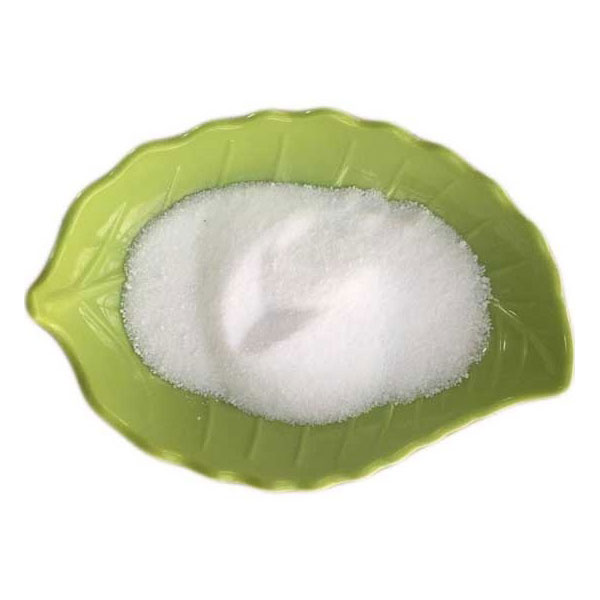
Table of Contents
- What is Sodium Gluconate?
- Industrial Applications
- Advantages of Sodium Gluconate
- Usage Tips and Best Practices
- Comparison with Other Chelating Agents
- FAQ
- Conclusion
What is Sodium Gluconate?
Sodium Gluconate is the sodium salt of gluconic acid, a naturally derived organic compound. It is commonly produced through the fermentation of glucose. Due to its excellent chelating ability, it is widely used in industrial processes to improve efficiency, prevent scaling, and enhance product quality.
Key characteristics:
- Appearance: White crystalline powder
- Solubility: Highly soluble in water
- pH range: Neutral to slightly alkaline
- Eco-friendly and biodegradable
Industrial Applications
Sodium Gluconate has versatile applications across multiple industries. Here are the main areas where it solves customer pain points:
Chemical and Construction Industry
- Concrete admixture: Improves workability and delays setting time.
- Metal cleaning: Chelates heavy metals to prevent corrosion.
- Water treatment: Reduces scale formation in cooling and boiler water systems.
Food and Beverage Industry
- Acts as a sequestrant to enhance flavor stability.
- Improves shelf life by binding trace metals that can trigger oxidation.
Textile and Leather Industry
- Softening agent for fabrics and leathers.
- Prevents metal-induced discoloration during processing.
Advantages of Sodium Gluconate
Understanding the benefits helps industrial operators select the right chemical for process optimization.
- Strong chelation: Effectively binds metal ions like calcium, iron, and magnesium.
- Environmental friendly: Biodegradable and non-toxic, safe for discharge.
- Improves efficiency: Enhances chemical reactions and reduces maintenance costs.
- Versatility: Applicable across water treatment, concrete admixtures, textiles, and more.
Usage Tips and Best Practices
Proper handling ensures maximum effectiveness and safety:
- Always dissolve in water before application to prevent localized high concentrations.
- Store in a cool, dry place away from moisture and direct sunlight.
- For water treatment, monitor pH and metal ion concentration regularly.
- For concrete applications, follow dosage guidelines carefully to maintain workability.
By following these practices, companies can reduce operational costs while improving product quality and longevity.
Comparison with Other Chelating Agents
| Chelating Agent | Metal Binding Efficiency | Environmental Impact | Cost-effectiveness |
|---|---|---|---|
| Sodium Gluconate | High | Low environmental impact | Moderate |
| EDTA | Very High | Persistent in environment | High |
| Citrate | Moderate | Biodegradable | Low |
FAQ
Q1: Is Sodium Gluconate safe for food use?
A1: Yes, it is widely used in the food and beverage industry as a safe sequestrant.
Q2: Can Sodium Gluconate replace EDTA in water treatment?
A2: In many cases, yes. It provides effective chelation with lower environmental impact.
Q3: What is the recommended storage condition?
A3: Keep it in a cool, dry, and airtight container to preserve quality and effectiveness.
Q4: Where can I purchase high-quality Sodium Gluconate?
A4: Spark offers premium Sodium Gluconate suitable for industrial applications. Visit our product page for more details.
Conclusion
Sodium Gluconate is a multifunctional, eco-friendly chemical that addresses critical industrial challenges. Its chelating power, versatility, and safety make it an ideal choice for water treatment, construction, food, and textile applications. By incorporating best practices and choosing a reliable supplier like Spark, businesses can optimize processes and improve efficiency.
For high-quality Sodium Gluconate and personalized technical support, contact us today and let Spark help streamline your industrial operations!