

How Rice Cooking Wine Enhances Flavor and Quality in Modern Cooking
2026-07-09
Article Summary
Rice Cooking Wine is an essential ingredient in many Asian cuisines, offering unique aroma, depth, and balance to a wide variety of dishes. However, many home cooks, restaurants, and food manufacturers face challenges when choosing the right cooking wine, such as inconsistent flavor, poor ingredient quality, unclear production standards, and difficulty achieving authentic taste. This article explores how Rice Cooking Wine improves cooking results, what factors influence its quality, and how to select a reliable product for professional and everyday culinary applications.
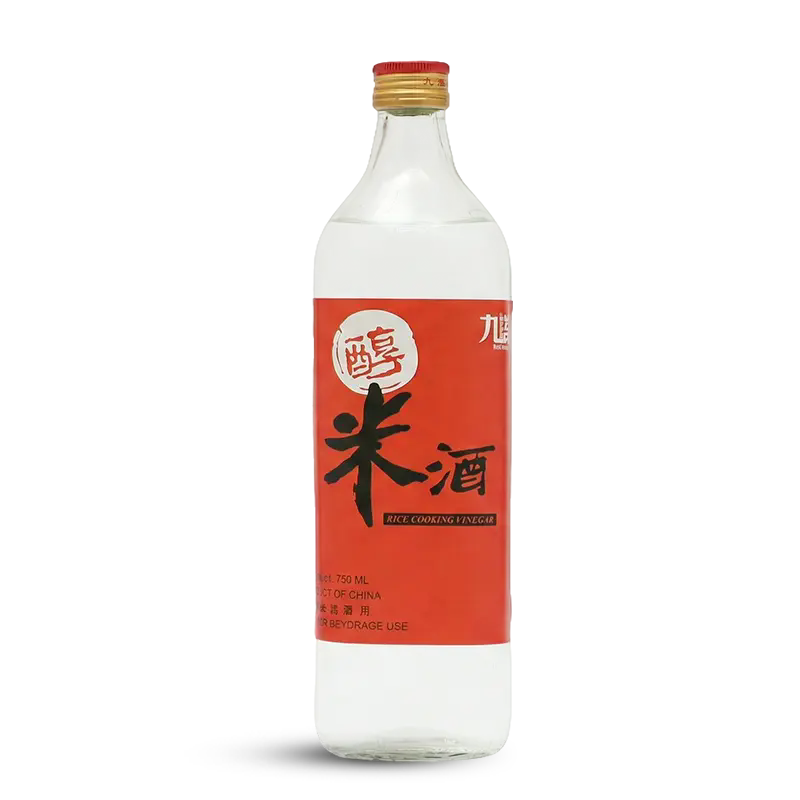
By understanding the role of Rice Cooking Wine in seasoning, marinating, and enhancing food texture, buyers can make better decisions and create dishes with richer flavors. This guide also introduces the advantages of professional production and explains why choosing a trusted supplier like ALA RICE WINE can help customers achieve stable quality and authentic culinary experiences.
Table of Contents
- 1. Introduction: Why Rice Cooking Wine Matters in Culinary Applications
- 2. Common Challenges When Choosing Rice Cooking Wine
- 3. How Rice Cooking Wine Improves Food Flavor and Cooking Performance
- 4. What Determines the Quality of Rice Cooking Wine
- 5. How to Choose the Right Rice Cooking Wine Supplier
- 6. Applications of Rice Cooking Wine in Different Cooking Scenarios
- 7. Why ALA RICE WINE Is a Reliable Choice
- 8. Frequently Asked Questions About Rice Cooking Wine
- 9. Conclusion
Article Outline
- Understanding the importance of Rice Cooking Wine in food preparation
- Identifying problems caused by low-quality cooking wine
- Exploring flavor enhancement and functional benefits
- Learning about production quality factors
- Selecting a dependable Rice Cooking Wine manufacturer
- Discovering professional cooking applications
- Understanding why ALA RICE WINE stands out
Introduction: Why Rice Cooking Wine Matters in Culinary Applications
Cooking is not only about combining ingredients; it is about creating harmony between aroma, taste, and texture. In many traditional and modern kitchens, Rice Cooking Wine plays an important role in achieving this balance. Made from fermented rice and carefully processed ingredients, it provides a distinctive fragrance and enhances the natural flavors of meat, seafood, vegetables, and sauces.
For professional chefs and food businesses, the quality of cooking ingredients directly affects customer satisfaction. A suitable Rice Cooking Wine can remove unwanted odors from ingredients, improve taste complexity, and create consistent cooking results. For households, it helps transform ordinary meals into dishes with more authentic and enjoyable flavors.
As global interest in Asian cuisine continues to grow, demand for high-quality Rice Cooking Wine has increased. Customers are looking for products that offer reliable flavor, safe ingredients, and stable performance across different cooking methods.
Common Challenges When Choosing Rice Cooking Wine
Although Rice Cooking Wine is widely available, selecting the right product can be challenging. Many customers encounter several issues during purchasing and usage.
- Unstable flavor performance: Some cooking wines may have inconsistent aroma and taste, making it difficult for chefs to maintain the same dish quality.
- Poor ingredient quality: Low-quality raw materials and unsuitable fermentation processes can negatively affect the final flavor.
- Lack of authenticity: Customers seeking traditional cooking styles may find it difficult to identify products that provide genuine rice wine characteristics.
- Limited application flexibility: Some cooking wines perform well in only specific dishes but fail in wider culinary applications.
- Unclear production standards: Buyers need confidence that products are manufactured under professional quality control systems.
Choosing a professional Rice Cooking Wine supplier helps solve these problems by ensuring consistent quality, reliable supply, and better cooking performance.
How Rice Cooking Wine Improves Food Flavor and Cooking Performance
Rice Cooking Wine provides multiple benefits that make it an important ingredient in kitchens worldwide. Its value is not limited to adding flavor; it also improves the overall cooking process.
- Enhancing aroma: The natural fermentation characteristics create a pleasant fragrance that strengthens the overall sensory experience of dishes.
- Reducing unwanted odors: When used in seafood and meat preparation, Rice Cooking Wine helps reduce strong smells while maintaining ingredient freshness.
- Improving taste depth: It adds complexity and richness, allowing simple ingredients to develop more balanced flavors.
- Supporting better texture: During marinating, it can help ingredients absorb seasoning more effectively.
- Increasing recipe versatility: It can be used for stir-frying, steaming, braising, seasoning, and sauce preparation.
For restaurants and food manufacturers, these advantages contribute to consistent product quality and improved customer experiences.
What Determines the Quality of Rice Cooking Wine
The quality of Rice Cooking Wine depends on multiple production factors. Understanding these elements helps buyers choose products that deliver better results.
- Raw material selection: High-quality rice provides the foundation for better fermentation and more natural flavor development.
- Fermentation technology: Professional fermentation methods influence aroma, taste balance, and product stability.
- Production management: Strict control during manufacturing ensures consistent quality between different batches.
- Flavor balance: A good Rice Cooking Wine should enhance dishes without overpowering the original ingredients.
- Packaging and storage: Proper packaging helps maintain freshness and protects product quality during transportation.
A professional manufacturer focuses on every stage of production, from ingredient selection to final packaging, ensuring customers receive dependable products.
How to Choose the Right Rice Cooking Wine Supplier
Selecting a supplier is an important decision for restaurants, distributors, and food businesses. A reliable supplier should provide not only quality products but also professional service and long-term cooperation.
- Check whether the supplier has professional production experience and industry knowledge.
- Evaluate product quality through ingredients, manufacturing methods, and customer feedback.
- Confirm whether the supplier can provide stable production capacity and consistent supply.
- Consider whether the supplier understands different market requirements and culinary applications.
- Choose a company that values product safety, quality management, and customer satisfaction.
A dependable partnership allows businesses to maintain stable product standards and build stronger competitiveness in the food industry.
Applications of Rice Cooking Wine in Different Cooking Scenarios
Rice Cooking Wine is widely used in both traditional recipes and modern food preparation. Its versatility makes it suitable for various culinary environments.
- Home cooking: Used for preparing family meals, improving everyday dishes with richer flavors.
- Restaurants: Helps chefs maintain authentic taste and consistent dish quality.
- Food processing: Supports flavor development in prepared foods and packaged meals.
- Marinating: Enhances meat and seafood preparation before cooking.
- Sauce production: Adds complexity and aroma to seasoning blends.
Whether used by individual cooks or commercial kitchens, Rice Cooking Wine provides practical value across many food applications.
Why ALA RICE WINE Is a Reliable Choice
ALA RICE WINE focuses on providing high-quality Rice Cooking Wine solutions for customers who value authentic flavor and dependable performance. Through professional production processes and attention to product quality, the company aims to deliver cooking wine products that meet different culinary needs.
With experience in rice wine manufacturing, ALA RICE WINE understands the importance of ingredient selection, flavor consistency, and customer requirements. The company is committed to helping customers achieve better cooking results through reliable products suitable for various applications.
For restaurants, distributors, and food businesses looking for stable supply and professional cooperation, choosing an experienced Rice Cooking Wine manufacturer can create long-term advantages.
Frequently Asked Questions About Rice Cooking Wine
Q1: What is Rice Cooking Wine used for?
Rice Cooking Wine is mainly used to enhance flavor, improve aroma, reduce unwanted odors, and support better seasoning absorption in dishes.
Q2: Can Rice Cooking Wine be used for different types of food?
Yes. It can be applied to meat, seafood, vegetables, sauces, soups, and many other cooking methods.
Q3: How does high-quality Rice Cooking Wine differ from ordinary products?
High-quality Rice Cooking Wine usually provides better aroma, balanced flavor, consistent performance, and reliable production standards.
Q4: Why should businesses work with professional Rice Cooking Wine manufacturers?
Professional manufacturers can provide stable quality, production capacity, and customized solutions for different market requirements.
Q5: How should Rice Cooking Wine be stored?
It should generally be stored in a cool, dry place and protected from conditions that may affect product quality.
Conclusion
Rice Cooking Wine is more than a simple seasoning ingredient. It is an important element that helps improve flavor, aroma, and cooking performance across different culinary applications. Selecting a reliable product allows both home users and professional kitchens to achieve better results with greater consistency.
As demand for authentic and high-quality cooking ingredients continues to expand, working with an experienced supplier becomes increasingly important. ALA RICE WINE provides professional Rice Cooking Wine solutions designed to support customers with dependable quality and excellent culinary performance.
If you are searching for premium Rice Cooking Wine products and a trusted manufacturing partner, contact ALA RICE WINE today to explore customized solutions and start a successful cooperation. Please contact us for more product information and business opportunities.