

What Makes Fermented Wheat Flour a Valuable Ingredient for Modern Food Production?
2026-09-03
Article Summary
Fermented wheat flour is becoming an important functional ingredient in modern food manufacturing because it helps improve product quality, enhance flavor, support clean-label formulations, and optimize production efficiency. Through controlled fermentation technology, wheat-based ingredients can develop unique characteristics that benefit bakery products, snacks, and other food applications. This article explains what fermented wheat flour is, why food manufacturers are adopting it, how it works, and how businesses can select a reliable ingredient supplier.
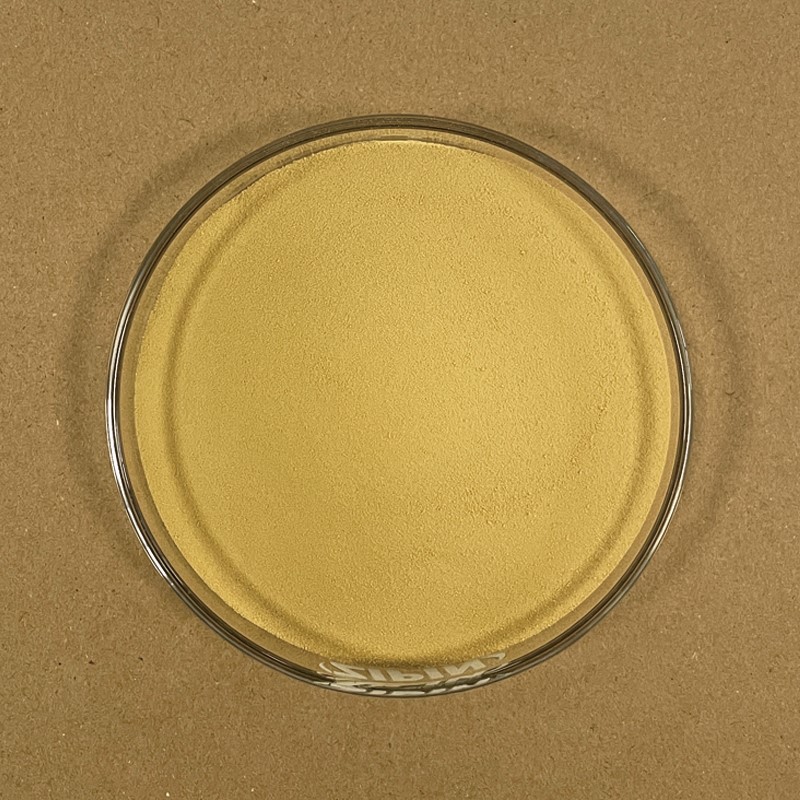
With increasing demand for natural ingredients and improved food experiences, manufacturers are searching for solutions that can maintain product consistency while meeting changing consumer expectations. Fermented wheat flour provides a practical approach by combining traditional fermentation methods with advanced food processing technology.
Table of Contents
- 1. What Is Fermented Wheat Flour?
- 2. Why Is Fermented Wheat Flour Important for Food Manufacturers?
- 3. How Is Fermented Wheat Flour Produced?
- 4. Key Benefits of Using Fermented Wheat Flour
- 5. Applications of Fermented Wheat Flour in Food Industries
- 6. How to Choose a Reliable Fermented Wheat Flour Supplier?
- 7. Frequently Asked Questions
What Is Fermented Wheat Flour?
Fermented wheat flour is a specialized food ingredient produced through the controlled fermentation of wheat-based materials. Unlike ordinary wheat flour, this ingredient undergoes biological processing that transforms certain components of wheat into valuable metabolites, including organic acids, peptides, amino acids, and other functional compounds.
The production process usually begins with wheat flour as the primary raw material. Through enzymatic hydrolysis and saccharification, wheat starch is converted into suitable fermentation substrates. Selected food-grade microorganisms are then introduced to create a controlled fermentation environment. After fermentation, the material undergoes processes such as deactivation, filtration, concentration, and spray drying to produce a stable powder ingredient.
This advanced processing method allows fermented wheat flour to maintain convenient storage characteristics while delivering improved functionality in different food formulations. Jiangsu Zipin Biotech Co., Ltd. develops fermented wheat flour solutions designed for modern food manufacturers seeking stable and versatile ingredients.
| Feature | Description |
|---|---|
| Raw Material | High-quality wheat flour and wheat-derived components |
| Processing Method | Controlled microbial fermentation combined with modern drying technology |
| Physical Form | Stable soluble powder |
| Main Purpose | Improve flavor, texture, stability, and food quality |
| Application Fields | Bakery products, snacks, prepared foods, and food ingredient systems |
Why Is Fermented Wheat Flour Important for Food Manufacturers?
The food industry is experiencing rapid changes. Consumers increasingly prefer products with recognizable ingredients, better taste, and improved nutritional profiles. At the same time, manufacturers face challenges such as maintaining consistent quality, reducing formulation complexity, and extending product shelf life.
Fermented wheat flour addresses many of these challenges by providing natural functional advantages. Instead of relying heavily on synthetic additives or complicated processing methods, manufacturers can use fermentation-derived ingredients to improve product performance.
One major advantage is flavor improvement. During fermentation, microorganisms generate natural compounds that contribute to richer aromas and more balanced tastes. This makes fermented wheat flour especially useful for bakery products where sensory quality directly influences consumer acceptance.
Another important benefit is texture optimization. Fermented wheat flour can help improve softness, moisture retention, and overall mouthfeel in various food products. For manufacturers producing large quantities, maintaining consistent texture from batch to batch is a critical challenge.
| Common Manufacturing Challenge | How Fermented Wheat Flour Helps |
|---|---|
| Need for improved flavor | Provides fermentation-derived taste compounds and enhances overall flavor profiles |
| Texture inconsistency | Supports better softness, structure, and mouthfeel control |
| Demand for natural ingredients | Offers a fermentation-based ingredient solution suitable for clean-label concepts |
| Production efficiency pressure | Provides stable powder form for easier storage, transportation, and application |
How Is Fermented Wheat Flour Produced?
Understanding the production process helps food manufacturers evaluate ingredient quality and application potential. Fermented wheat flour production requires careful control of raw materials, microorganisms, fermentation conditions, and post-processing technology.
The first stage involves selecting suitable wheat flour materials. High-quality raw materials provide the foundation for consistent fermentation performance.
The second stage is enzymatic treatment. Wheat starch is processed through hydrolysis and saccharification, creating smaller components that microorganisms can utilize during fermentation.
The third stage involves controlled microbial fermentation. Food-grade microorganisms are carefully selected according to product requirements. During this stage, microorganisms produce beneficial metabolites that influence the final ingredient properties.
After fermentation, the product undergoes purification and stabilization processes. Filtration and concentration help maintain quality, while spray drying converts the fermented material into a convenient powder form.
| Production Stage | Main Purpose |
|---|---|
| Raw Material Preparation | Ensure suitable wheat-based materials for fermentation |
| Enzymatic Hydrolysis | Break down starch components into fermentable substances |
| Microbial Fermentation | Create functional compounds and improve ingredient characteristics |
| Filtration and Concentration | Improve stability and product consistency |
| Spray Drying | Create a convenient powder ingredient for industrial use |
Key Benefits of Using Fermented Wheat Flour
Fermented wheat flour provides multiple advantages for food manufacturers that want to improve product quality while maintaining efficient production processes. Its unique fermentation characteristics make it different from conventional wheat ingredients and allow it to contribute value across various food categories.
One of the most significant advantages is its ability to enhance natural flavor development. During fermentation, microorganisms produce various aromatic substances and flavor-related compounds. These components can create a richer taste profile and improve the overall eating experience without depending heavily on artificial flavor enhancers.
Another important benefit is improved product texture. Many food manufacturers struggle with maintaining softness, elasticity, and moisture balance during storage and transportation. Fermented wheat flour can help optimize these characteristics by influencing water absorption and ingredient interactions within food formulations.
In addition, fermented wheat flour supports manufacturers looking for ingredient solutions aligned with modern consumer preferences. As demand grows for simpler ingredient lists and naturally processed foods, fermentation-based ingredients have become increasingly attractive options.
| Benefit | Impact on Food Products |
|---|---|
| Enhanced Flavor | Creates deeper and more balanced taste characteristics through fermentation-derived compounds |
| Improved Texture | Helps maintain softness, moisture, and better mouthfeel |
| Natural Processing Advantage | Supports product development using fermentation-based solutions |
| Better Processing Performance | Provides stable ingredient characteristics for industrial production |
| Application Flexibility | Suitable for different food categories and formulation requirements |
Applications of Fermented Wheat Flour in Food Industries
Because of its functional properties, fermented wheat flour can be applied in many areas of food manufacturing. It is especially valuable in industries where taste, texture, and ingredient quality are major factors influencing product success.
Bakery production is one of the most common application fields. Bread, rolls, pastries, and other baked products require excellent flavor, structure, and freshness. Fermented wheat flour can support these requirements by improving sensory characteristics and helping maintain product quality during shelf life.
Snack manufacturers also benefit from fermented wheat flour. Crackers, baked snacks, and similar products often require precise control of flavor and texture. Adding fermented wheat flour can provide a more appealing taste profile and improve consumer acceptance.
In prepared foods and processed food systems, fermented wheat flour can serve as a functional ingredient that supports formulation optimization. Manufacturers can use it to enhance specific characteristics while maintaining production efficiency.
| Industry | Typical Products | Potential Advantages |
|---|---|---|
| Bakery Industry | Bread, cakes, pastries, rolls | Improved aroma, softness, and flavor performance |
| Snack Industry | Biscuits, crackers, baked snacks | Enhanced taste and product differentiation |
| Prepared Food Industry | Convenience foods and processed foods | Supports formulation improvement and consistency |
| Food Ingredient Industry | Customized ingredient solutions | Provides flexible application possibilities |
How to Choose a Reliable Fermented Wheat Flour Supplier?
Selecting the right fermented wheat flour supplier is an important decision for food manufacturers. Ingredient quality directly affects product performance, production stability, and customer satisfaction. A reliable supplier should provide not only high-quality products but also technical support and consistent supply capabilities.
When evaluating suppliers, manufacturers should consider several important factors.
- Raw Material Control: A professional supplier should have strict requirements for wheat material selection and quality management.
- Advanced Fermentation Technology: Controlled fermentation processes are essential for maintaining stable ingredient characteristics.
- Production Capability: Large-scale and standardized production helps ensure reliable supply for industrial customers.
- Quality Management: Comprehensive testing procedures help guarantee product safety, stability, and consistency.
- Technical Support: Experienced suppliers should provide application guidance according to different food formulations.
Jiangsu Zipin Biotech Co., Ltd. focuses on developing biotechnology-based food ingredients and providing fermented wheat flour solutions for food manufacturers. Through professional production processes and continuous improvement, the company helps customers achieve better ingredient performance and product innovation.
| Supplier Evaluation Factor | Why It Matters |
|---|---|
| Production Technology | Determines fermentation quality and product stability |
| Quality Control System | Ensures reliable and safe ingredient supply |
| Customization Capability | Allows solutions based on different application requirements |
| Industry Experience | Provides better technical understanding and support |
Frequently Asked Questions About Fermented Wheat Flour
Q1: What is the difference between fermented wheat flour and regular wheat flour?
Fermented wheat flour undergoes controlled fermentation processing, which creates additional functional compounds and improves characteristics such as flavor, aroma, and texture. Regular wheat flour does not experience this biological transformation process.
Q2: Can fermented wheat flour improve bakery product quality?
Yes. Fermented wheat flour can help improve bakery product characteristics by enhancing flavor development, supporting texture optimization, and contributing to better overall sensory performance.
Q3: Is fermented wheat flour suitable for industrial food production?
Yes. Its stable powder form, convenient storage properties, and flexible application methods make it suitable for large-scale food manufacturing.
Q4: How should fermented wheat flour be stored?
The ingredient should generally be stored in a dry, cool environment with proper packaging protection. Specific storage conditions may vary depending on product specifications and application requirements.
Q5: Why choose Jiangsu Zipin Biotech Co., Ltd. for fermented wheat flour solutions?
Jiangsu Zipin Biotech Co., Ltd. combines biotechnology expertise with professional production capabilities to provide fermented wheat flour products designed for modern food applications. The company focuses on product consistency, application value, and customer-oriented ingredient solutions.
Conclusion
Fermented wheat flour represents an innovative ingredient solution that combines traditional fermentation knowledge with modern food technology. By improving flavor, texture, processing performance, and product differentiation, it helps manufacturers respond to changing market demands and create higher-quality food products.
For companies seeking a dependable ingredient partner, choosing an experienced supplier is essential. Jiangsu Zipin Biotech Co., Ltd. provides professional fermented wheat flour solutions designed to support food innovation and manufacturing efficiency. If you are looking for high-quality fermented wheat flour products or customized ingredient solutions, please contact us to discuss your requirements and explore suitable cooperation opportunities.