

What Makes Food or Beverage Coconut Shell Activated Carbon Essential for Modern Purification?
2026-06-01
In today's food and beverage industry, purity, safety, and quality are more important than ever. Consumers expect clean drinking water, fresh-tasting beverages, and high-quality food products that meet international safety standards. To achieve these goals, manufacturers rely on advanced purification materials, and one of the most effective solutions is Food or Beverage Coconut Shell Activated Carbon.
Derived from high-quality coconut shells, this activated carbon offers excellent adsorption performance, high hardness, low ash content, and superior filtration capability. It is widely used in beverage processing, water purification, alcohol refining, sugar decolorization, and food-grade filtration systems. As industries continue to demand sustainable and efficient filtration materials, coconut shell activated carbon has become a preferred choice worldwide.
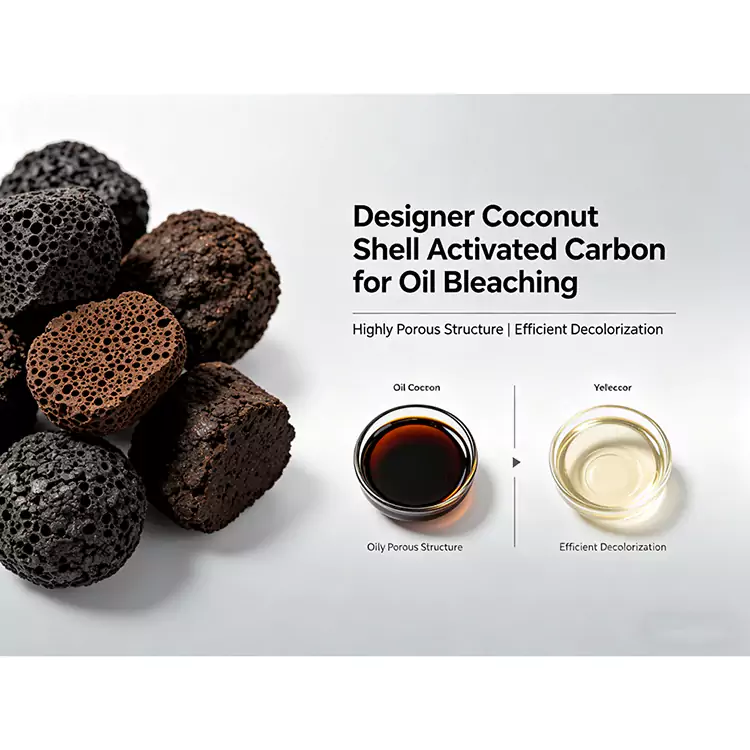
What Is Food or Beverage Coconut Shell Activated Carbon?
Food or Beverage Coconut Shell Activated Carbon is a porous adsorption material produced from natural coconut shells through high-temperature carbonization and activation processes. Compared with coal-based or wood-based activated carbon, coconut shell activated carbon features a more developed microporous structure, making it highly effective for removing impurities, odors, colors, chlorine, and organic compounds.
Because coconut shells are renewable and environmentally friendly, this type of activated carbon is also considered a sustainable filtration solution.
Main Characteristics
| Feature | Description |
|---|---|
| Raw Material | Natural coconut shell |
| Porosity | Highly developed micropores |
| Hardness | High mechanical strength |
| Ash Content | Low |
| Adsorption Capacity | Excellent |
| Application Safety | Food-grade compatible |
| Sustainability | Eco-friendly and renewable |
Why Is Food or Beverage Coconut Shell Activated Carbon So Popular?
The popularity of Food or Beverage Coconut Shell Activated Carbon comes from its exceptional purification efficiency and broad application range. Food and beverage manufacturers require filtration materials that not only perform well but also comply with strict hygiene standards.
Key Advantages
-
Excellent odor and taste removal
-
Effective chlorine adsorption
-
Superior organic contaminant removal
-
High purity and low impurity levels
-
Long service life
-
Low dust generation
-
Environmentally friendly production process
These benefits help manufacturers improve product quality while reducing operational costs.
How Does Coconut Shell Activated Carbon Work?
Activated carbon works through a process called adsorption. The massive number of microscopic pores on the carbon surface trap impurities and contaminants from liquids or gases.
When liquids such as water, juice, wine, or edible oils pass through Food or Beverage Coconut Shell Activated Carbon, unwanted substances become attached to the carbon surface while the purified liquid continues through the filtration system.
Common Contaminants Removed
-
Chlorine
-
Unpleasant odors
-
Organic impurities
-
Residual chemicals
-
Pigments
-
Volatile compounds
-
Heavy metals (in some applications)
This process significantly improves taste, clarity, and safety.
Where Is Food or Beverage Coconut Shell Activated Carbon Used?
The versatility of Food or Beverage Coconut Shell Activated Carbon makes it suitable for various industries.
1. Drinking Water Purification
One of the most common applications is drinking water treatment. Activated carbon removes chlorine, unpleasant odors, and organic contaminants, resulting in cleaner and fresher water.
2. Beverage Processing
Soft drink manufacturers, breweries, and juice producers use activated carbon to improve flavor stability and remove impurities that may affect product quality.
3. Alcohol and Wine Refining
In alcohol production, activated carbon helps refine color, reduce undesirable flavors, and enhance overall product purity.
4. Sugar Industry
Activated carbon is widely used for sugar decolorization and purification during sugar processing.
5. Food Processing
Food manufacturers use activated carbon in edible oil purification, food additive processing, and ingredient filtration.
Food or Beverage Coconut Shell Activated Carbon vs Coal-Based Activated Carbon
Many manufacturers compare coconut shell activated carbon with coal-based activated carbon before making purchasing decisions.
| Comparison Factor | Coconut Shell Activated Carbon | Coal-Based Activated Carbon |
|---|---|---|
| Raw Material | Renewable coconut shell | Non-renewable coal |
| Purity | Higher | Moderate |
| Hardness | Excellent | Good |
| Micropore Structure | Highly developed | Less developed |
| Ash Content | Lower | Higher |
| Food Applications | Highly suitable | Limited in some cases |
| Environmental Impact | Eco-friendly | Higher environmental impact |
For food and beverage applications, coconut shell activated carbon is often the preferred choice because of its higher purity and better adsorption performance.
What Factors Affect Activated Carbon Performance?
Several factors influence the effectiveness of Food or Beverage Coconut Shell Activated Carbon.
Particle Size
Smaller particles provide faster adsorption but may increase pressure drop in filtration systems.
Contact Time
Longer contact time generally improves purification efficiency.
Temperature
Temperature can affect adsorption capacity depending on the application.
Impurity Concentration
Higher contaminant levels may require larger amounts of activated carbon.
Pore Structure
The microporous structure of coconut shell carbon is especially effective for small organic molecules.
How to Choose the Right Food or Beverage Coconut Shell Activated Carbon?
Choosing the correct activated carbon is essential for achieving optimal filtration results.
Consider the Following Factors
-
Application requirements
-
Particle size specifications
-
Adsorption capacity
-
Purity standards
-
Moisture content
-
Hardness level
-
Iodine value
-
Certification requirements
Reliable suppliers can help customize solutions based on specific industrial needs.
Why Sustainability Matters in Modern Filtration
As environmental awareness increases, more companies are seeking sustainable purification materials. Coconut shell activated carbon is produced from discarded coconut shells, turning agricultural waste into valuable industrial products.
This environmentally friendly production model supports sustainable manufacturing while reducing waste generation.
Benefits include:
-
Reduced environmental impact
-
Renewable raw materials
-
Lower carbon footprint
-
Resource recycling
-
Sustainable industrial development
Why Choose Wimica (Hebei) Industrial Co., Ltd.?
As a professional supplier in the activated carbon industry, Wimica (Hebei) Industrial Co., Ltd. is committed to providing high-quality Food or Beverage Coconut Shell Activated Carbon products for global customers.
The company focuses on strict quality control, advanced production technology, and customized filtration solutions to meet different industrial requirements.
Advantages of Wimica (Hebei) Industrial Co., Ltd.
-
Professional manufacturing experience
-
Stable product quality
-
Advanced activation technology
-
Competitive pricing
-
Customized specifications
-
Fast delivery capability
-
Global export support
-
Professional technical service
Whether for water treatment, beverage production, sugar refining, or food processing, Wimica offers reliable activated carbon solutions that help customers improve efficiency and product quality.
Future Trends of Food or Beverage Coconut Shell Activated Carbon
With growing global demand for clean water and safe food products, the market for Food or Beverage Coconut Shell Activated Carbon continues to expand.
Future industry trends include:
-
Higher food safety standards
-
Increased demand for eco-friendly filtration
-
Expansion of beverage production industries
-
Advanced purification technologies
-
Sustainable manufacturing development
-
Customized adsorption solutions
As these trends continue, coconut shell activated carbon will remain an important purification material across multiple industries.
Conclusion
Food or Beverage Coconut Shell Activated Carbon plays a critical role in modern purification systems. Its excellent adsorption capability, eco-friendly characteristics, and food-grade safety make it an ideal solution for water treatment, beverage production, food processing, and industrial filtration applications.
Compared with traditional activated carbon materials, coconut shell activated carbon offers superior purity, stronger adsorption performance, and better sustainability. For manufacturers aiming to improve product quality while meeting environmental standards, it is undoubtedly one of the best filtration choices available today.
If you are looking for reliable and professional activated carbon solutions, Wimica (Hebei) Industrial Co., Ltd. is ready to support your business with premium-quality products and customized services. Contact us today to learn more about our Food or Beverage Coconut Shell Activated Carbon products and discover how we can help improve your filtration performance and production efficiency.