

What Makes Grey Mullet a Valuable Choice for Seafood Buyers?
2026-09-29
Grey Mullet, scientifically known as Mugil cephalus, is a widely distributed coastal fish valued for its edible flesh, culinary versatility, and commercial importance. It can be found in marine, brackish, and some freshwater environments, and it is produced through both wild capture and aquaculture. For seafood importers, wholesalers, foodservice companies, and distributors, understanding the characteristics and applications of Grey Mullet can help with product selection, processing, and market development. With experience in seafood import and export, Taizhou HongXiang Import and Export Co.,Ltd. provides seafood sourcing solutions designed to meet different purchasing requirements.
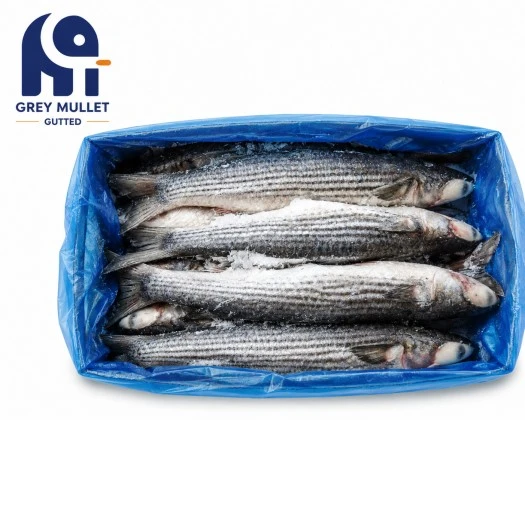
What Is Grey Mullet?
Grey Mullet generally refers to Mugil cephalus, also commonly known as flathead grey mullet, striped mullet, or common mullet in different markets. It has a relatively robust, cylindrical body, a broad head, silvery sides, and a darker greyish or blue-green back.
The species has a broad geographic distribution across tropical, subtropical, and temperate coastal waters. It commonly inhabits coastal areas, estuaries, lagoons, and river environments, giving it adaptability to different aquatic conditions.
This adaptability is also one reason Grey Mullet has long been used in commercial fisheries and aquaculture. FAO records its cultivation in pond systems across regions including the Mediterranean, Southeast Asia, Taiwan, Japan, and Hawaii.
What Are the Key Characteristics of Grey Mullet?
For seafood buyers, physical characteristics can help determine processing methods and end-use applications.
| Characteristic | Description |
|---|---|
| Scientific name | Mugil cephalus |
| Family | Mugilidae |
| Body | Robust and cylindrical |
| Skin color | Greyish, blue-green, and silvery |
| Habitat | Marine, brackish, estuarine, and some freshwater environments |
| Production | Wild caught and farmed |
| Main forms | Fresh, frozen, dried, salted, and processed |
| Common uses | Fillets, whole fish, smoked products, cooked dishes, and roe |
Grey Mullet is commercially processed in several forms. FishBase notes that the species can be marketed fresh, dried, salted, and frozen, while its roe may also be sold fresh or smoked.
How Does Grey Mullet Perform as a Food Fish?
Grey Mullet provides firm, moderately oily flesh that works well with a variety of cooking techniques. Seafood New Zealand describes its fillets as medium to firm with relatively high oil content and lists baking, smoking, casseroles, poaching, and steaming among suitable preparation methods.
Its nutritional profile is another reason for its commercial appeal. EU seafood information, drawing on USDA data, lists approximately 19.35 g of protein and 117 kcal per 100 g serving, while Grey Mullet is also recognized as a source of nutrients such as vitamin B12, phosphorus, selenium, and omega-3 fatty acids.
Main Effects and Benefits for Food Applications
- Firm texture: Suitable for cooking, filleting, and portioning.
- Good flavor versatility: Can be combined with herbs, spices, sauces, and marinades.
- High protein content: Makes it suitable for protein-focused seafood meals.
- Multiple processing options: Fresh, frozen, dried, salted, and smoked formats provide flexibility.
- Roe value: Mullet roe is an important specialty food product in several markets.
Why Is Grey Mullet Important for Seafood Markets?
Grey Mullet has significance beyond ordinary fish consumption. Its wide distribution, commercial fishery value, and suitability for aquaculture make it relevant to different parts of the seafood supply chain.
For importers and distributors, product flexibility is particularly important. A supplier may need to accommodate different requirements regarding whole fish, processing specifications, packaging, frozen formats, quantity, and destination market.
The species is also established in aquaculture. According to FAO, Grey Mullet has historically been raised in extensive and semi-intensive pond systems and remains an important aquaculture species in several regions.
Which Applications Suit Grey Mullet?
Grey Mullet can serve multiple food and commercial applications:
- Fresh Seafood – Suitable for retail counters, seafood markets, and restaurants.
- Frozen Seafood – Practical for longer-distance distribution and inventory management.
- Smoked Products – Its relatively oily flesh makes it suitable for smoking.
- Dried and Salted Products – Traditional preservation methods can extend product usability.
- Foodservice – Useful for grilled, baked, steamed, and other prepared dishes.
- Roe Products – Grey Mullet roe is regarded as a specialty product in some markets.
How Can Buyers Select Suitable Grey Mullet?
Commercial buyers should consider more than species identification when sourcing Grey Mullet. Product condition, processing format, size requirements, packaging, cold-chain management, and destination-market requirements can all affect purchasing decisions.
For fresh whole fish, visible quality indicators include firm flesh, clear eyes, bright skin, and appropriately colored gills. For frozen products, buyers should additionally pay attention to packaging integrity, storage conditions, processing specifications, and transportation arrangements.
Taizhou HongXiang Import and Export Co.,Ltd. can support buyers looking for suitable Grey Mullet products according to different sourcing and international trade requirements. By coordinating product specifications and export arrangements, professional seafood suppliers can help make procurement more consistent and efficient.
Why Choose a Professional Grey Mullet Supplier?
International seafood purchasing involves more than simply finding an available product. Buyers may need reliable communication, consistent specifications, suitable packaging, export coordination, and stable supply arrangements.
A professional supplier can help buyers evaluate:
- Product specifications and available forms
- Fresh or frozen supply requirements
- Processing and packaging preferences
- Bulk purchasing requirements
- Export documentation and logistics coordination
- Destination-market requirements
For wholesalers, distributors, retailers, and foodservice businesses, these factors can directly influence purchasing efficiency and downstream customer satisfaction.
Build a More Reliable Grey Mullet Supply Chain
Grey Mullet combines nutritional value, culinary versatility, broad distribution, and established commercial applications. Its availability in both wild-caught and farmed supply chains also gives seafood businesses multiple sourcing possibilities.
For buyers seeking dependable seafood sourcing, Taizhou HongXiang Import and Export Co.,Ltd. focuses on connecting international customers with suitable seafood products and export solutions. Whether you are purchasing Grey Mullet for wholesale distribution, foodservice, retail, or further processing, clear specifications and reliable supply coordination are essential.
Looking for suitable Grey Mullet products for your market? Contact Taizhou HongXiang Import and Export Co.,Ltd. to discuss your product requirements, quantities, packaging preferences, and international sourcing needs.