

Article Summary
Transglutaminase is a protein-modifying enzyme that forms cross-links between certain amino acid residues in proteins. In suitable food systems, this reaction can improve binding, firmness, structural integrity, and processing performance. Its applications include meat and seafood products, dairy foods, plant-based alternatives, bakery products, and selected grain-based formulations. The best results depend on enzyme activity, protein composition, dosage, pH, temperature, reaction time, and the requirements of the final product. This article provides a practical framework for selecting, testing, and sourcing transglutaminase for industrial applications.
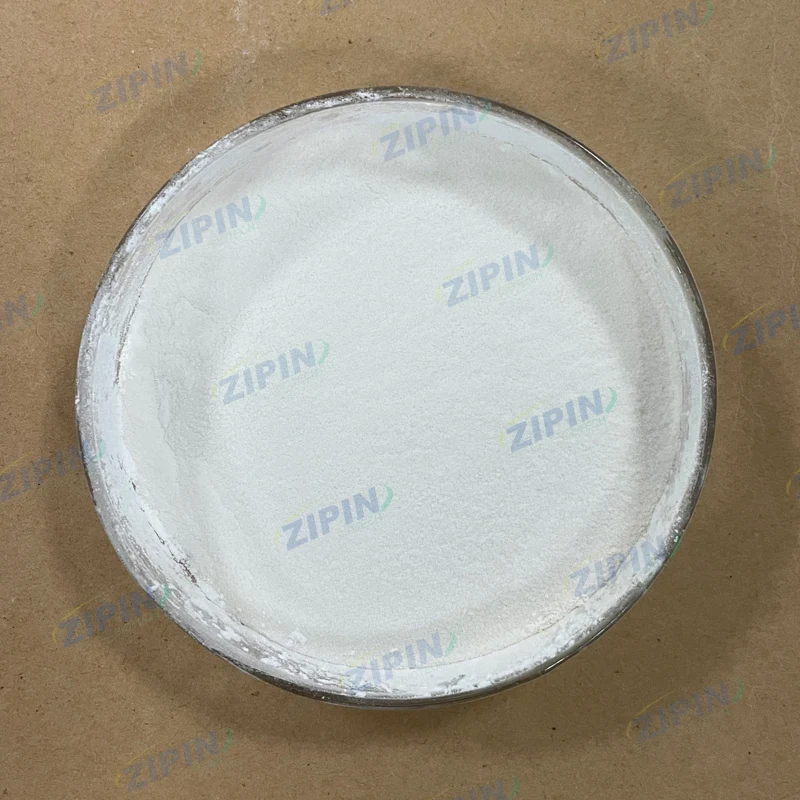
1. Understanding Transglutaminase: The Science Behind Better Texture
Transglutaminase is an enzyme that catalyzes cross-linking reactions between specific amino acid residues in proteins. It is often discussed in food manufacturing because protein structure plays a major role in determining texture, water retention, cohesion, and stability.
Unlike conventional ingredients that primarily add bulk, flavor, or moisture, transglutaminase modifies the protein network itself. Under suitable conditions, it promotes bonds between glutamine and lysine residues in proteins. These connections can help proteins form a more cohesive structure.
For manufacturers, this functionality may be useful when a product needs to hold its shape during cutting, cooking, forming, or handling. However, results depend on the composition of the food matrix and the conditions under which the enzyme is used. Transglutaminase is not a universal solution for every texture problem.
What Makes Transglutaminase Different?
Its primary technical role is to modify protein functionality rather than simply thicken a liquid or provide a conventional binding ingredient. This distinction is important when developing products that depend on the structural properties of meat proteins, milk proteins, soy proteins, or other suitable protein sources.
Different commercial enzyme preparations may vary in source organism, activity, formulation, carrier ingredients, and recommended processing conditions. Therefore, purchasing decisions should be based on documented product specifications and application testing rather than the ingredient name alone.
2. How Does Transglutaminase Work During Food Processing?
Transglutaminase catalyzes an acyl-transfer reaction involving protein-bound glutamine residues and primary amine groups. When suitable lysine residues participate, covalent cross-links form between protein chains. These links can strengthen the protein network and alter the physical properties of the food.
The practical outcome depends on several interacting factors:
- Protein availability: The food must contain suitable proteins and accessible reaction sites.
- Enzyme activity: Activity determines how much effective catalytic capacity is present under specified test conditions.
- Reaction environment: Temperature, pH, moisture, salt, and other formulation ingredients may affect performance.
- Contact and distribution: The enzyme must be distributed appropriately throughout the target material.
- Processing time: The reaction needs sufficient time under suitable conditions to produce the intended structural change.
Manufacturers should establish processing parameters through controlled trials using the actual raw materials and equipment intended for production. Published examples can provide a starting point, but they cannot replace application-specific validation.
3. Major Food Processing Applications of Transglutaminase
Transglutaminase can be considered for multiple food categories where protein cross-linking supports a defined processing objective. The suitability of a particular preparation must be confirmed for the intended food, jurisdiction, and production process.
| Application | Potential Technical Benefit | Key Development Consideration |
|---|---|---|
| Processed meat | Binding and structural cohesion | Raw material condition, mixing, temperature, and cooking process |
| Fish and seafood | Improved cohesion and product integrity | Protein condition, handling, freshness, and product format |
| Dairy products | Modification of protein structure and texture | Milk composition, formulation, fermentation, and heat treatment |
| Plant-based alternatives | Improved structural properties in suitable protein systems | Protein source, hydration, pH, and competing ingredients |
| Bakery products | Modification of dough protein functionality | Flour characteristics, dough handling, and baking conditions |
| Tofu and soy foods | Changes in protein network formation and firmness | Protein concentration, moisture, and coagulation conditions |
| Pasta and grain-based foods | Potential changes in structural integrity | Recipe composition, hydration, and cooking performance |
Meat and Seafood Processing
In selected meat applications, transglutaminase may help bind suitable protein surfaces and improve cohesion in formed or restructured products. Potential benefits include more consistent slicing and reduced separation during handling.
Seafood processors may investigate its use where product integrity and texture are important. Nevertheless, raw material quality, hygienic handling, temperature control, and validated processing procedures remain essential. An enzyme cannot compensate for poor-quality raw materials or inadequate food safety controls.
Dairy and Plant-Based Formulations
Milk proteins and certain plant proteins can provide substrates for transglutaminase. Depending on the formulation, enzyme treatment may change firmness, viscosity, gel structure, or other functional properties.
In plant-based foods, performance can differ considerably between soy, pea, wheat, and other protein systems. Solubility, prior heat treatment, and interactions with starches, fats, salts, and hydrocolloids may all influence the final result.
Bakery and Grain-Based Products
Protein modification may be useful in selected dough and grain-based formulations where structural characteristics influence handling or finished-product quality. Trial work should examine dough extensibility, machinability, baked texture, and sensory acceptance rather than relying on a single measurement.
Not every application requires transglutaminase. A manufacturer should first identify the underlying technical problem and compare the enzyme with other suitable formulation or process adjustments.
4. Key Benefits for Manufacturers: From Texture to Production Efficiency
More Consistent Product Structure
When the food matrix and processing conditions are appropriate, protein cross-linking may improve cohesion and help finished products retain their intended structure. Consistency is particularly valuable in standardized products that must meet defined specifications across multiple production runs.
Potential Improvements in Yield and Material Utilization
Better binding may reduce certain forms of product breakage or separation during forming, slicing, or handling. Whether this translates into a measurable yield improvement depends on the existing process, raw material characteristics, and the cost of the enzyme preparation.
Support for Product Development
Transglutaminase gives formulation teams another tool for adjusting protein functionality. It may help manufacturers explore different textures, product formats, or protein combinations without relying exclusively on conventional binders.
Repeatable Manufacturing Performance
Standardized enzyme activity, controlled dosing, suitable mixing, and documented reaction conditions can support repeatability. The goal is not simply to obtain a good result in one trial, but to reproduce it reliably at commercial scale.
Before adopting a new enzyme, manufacturers should compare measurable outcomes such as texture, breakage rate, finished-product yield, processing time, and total formulation cost.
5. How to Select a Suitable Transglutaminase Product
Choosing an appropriate product requires more than comparing price per kilogram. Two preparations with the same ingredient name may have different activity levels, carrier systems, or recommended applications.
Step 1: Define the Processing Objective
Start by describing the problem in measurable terms. Is the product breaking during slicing? Does a formed product lack cohesion? Is the target texture too soft, or does a plant-based formulation need improved structural integrity?
Step 2: Understand the Protein System
Identify the principal proteins, their concentration, and their condition during processing. Raw material variability can influence enzyme performance, making representative samples essential for product evaluation.
Step 3: Review Activity and Specifications
Request the technical data sheet and confirm the stated activity, test method, units, formulation, storage conditions, shelf life, and recommended applications. Activity units should not be compared directly unless their definitions and test methods are compatible.
Step 4: Establish a Controlled Trial
Use an untreated control and document the formulation, dosing basis, mixing method, reaction time, temperature, and finished-product results. Change one variable at a time where practical so that the effect of each adjustment can be assessed.
Step 5: Evaluate Commercial Feasibility
Confirm that the selected product can be incorporated into the existing process without creating unacceptable production delays, quality variation, or handling difficulties. Calculate the cost per unit of finished product rather than relying solely on the purchase price of the enzyme.
6. Factors That Affect Transglutaminase Performance
Successful use depends on the interaction between the enzyme, the food matrix, and the production environment. The following factors should be considered during formulation development.
| Factor | Why It Matters | Recommended Action |
|---|---|---|
| Enzyme activity | Determines catalytic capacity under defined test conditions | Follow the supplier's activity specification and dosing guidance |
| Protein composition | Different proteins provide different reaction environments | Test with the actual commercial formulation |
| Temperature | Influences reaction rate and enzyme stability | Follow product-specific operating recommendations |
| pH | Can influence enzyme activity and protein behavior | Measure and control pH where appropriate |
| Reaction time | Affects the extent of protein modification | Determine a suitable time through controlled trials |
| Mixing and distribution | Uneven distribution may cause inconsistent results | Validate the mixing procedure and equipment |
| Storage conditions | Improper storage may reduce enzyme activity | Follow the label and technical data sheet |
There is no single dosage or reaction time that is suitable for every food product. The correct operating window must be established for the particular enzyme preparation and food application. Always use the manufacturer's documented recommendations as the starting point.
7. Common Processing Problems and Practical Solutions
Problem: Binding Is Weaker Than Expected
Possible causes: Insufficient enzyme activity, uneven distribution, unsuitable reaction conditions, or inadequate access to suitable proteins.
Practical response: Verify the activity specification and dosing calculation. Review mixing uniformity, protein content, temperature, pH, and reaction time before changing the formulation.
Problem: The Finished Product Is Too Firm
Possible causes: Excessive protein cross-linking, an unsuitable reaction period, or interactions with other formulation ingredients.
Practical response: Run controlled trials within the supplier's recommended conditions. Assess sensory texture and processing behavior together, and identify the minimum treatment that meets the product specification.
Problem: Results Differ Between Batches
Possible causes: Variations in raw materials, enzyme storage, weighing accuracy, mixing, or production temperature.
Practical response: Introduce a batch record covering raw material specifications, enzyme lot number, dosage, processing conditions, and quality results. Standardize critical steps and investigate deviations systematically.
Problem: Production Costs Increase Without Clear Benefits
Possible causes: Incorrect product selection, unnecessary dosing, or failure to measure the original process losses.
Practical response: Establish baseline performance before conducting trials. Compare the total cost of the treated and untreated processes, including material losses, labor, processing time, and finished-product quality.
8. Quality, Safety, and Regulatory Considerations
Food manufacturers should evaluate transglutaminase as a specific enzyme preparation intended for a defined application. The safety and regulatory status of one product should not automatically be assumed to apply to every preparation, production organism, food category, or market.
Documentation to Request
- Technical data sheet with activity units and test method.
- Certificate of analysis for the supplied batch.
- Product specification and recommended storage conditions.
- Microbiological and contaminant information relevant to the product.
- Information on the production organism and manufacturing process, where applicable.
- Allergen, carrier, and formulation details relevant to the intended use.
- Available regulatory statements and supporting documentation for the target market.
Check Requirements in the Destination Market
Regulatory requirements vary by jurisdiction and intended use. For example, the U.S. Food and Drug Administration maintains records of GRAS notices for particular transglutaminase preparations and their specified intended uses. A notice relating to one preparation does not establish blanket authorization for every transglutaminase product.
For the European Union, food enzyme requirements and assessment procedures should be reviewed with reference to the applicable legislation and the European Food Safety Authority's current guidance. Manufacturers should verify the status of the exact preparation and intended application before commercialization.
Labeling obligations must also be evaluated. Depending on the product, formulation, jurisdiction, and applicable food category, requirements may differ. Consult the relevant authorities or qualified regulatory professionals when determining ingredient declarations and other compliance obligations.
Food safety management remains essential regardless of enzyme selection. Transglutaminase is a processing aid or ingredient only as applicable to the particular formulation and jurisdiction; it does not replace sanitation, allergen management, validated processing, or appropriate microbiological controls.
9. A Practical Supplier Evaluation Checklist
A dependable sourcing decision balances technical suitability, documentation, supply continuity, and total cost. Before placing a commercial order, procurement and R&D teams should review the following points together.
- Product suitability: Confirm that the preparation is intended for the relevant food application.
- Technical transparency: Obtain clear specifications, activity units, recommended use conditions, and storage instructions.
- Batch consistency: Ask how the supplier monitors product quality and provides batch-specific documentation.
- Regulatory support: Request applicable documentation for the target country and intended use.
- Supply reliability: Discuss production capacity, lead times, packaging options, and continuity of supply.
- Commercial value: Compare cost at the effective application level, not just the price per kilogram.
- Technical communication: Evaluate whether the supplier can answer product-specific questions and provide useful application guidance.
Jiangsu Zipin Biotech Co., Ltd. is a potential point of contact for businesses exploring biotechnology-related ingredient sourcing. Buyers evaluating transglutaminase should communicate their intended food application, target market, technical specifications, and purchasing requirements directly to the company to confirm current product availability and suitability.
For efficient supplier discussions, prepare a brief technical request that includes the product category, protein source, expected processing conditions, required product format, estimated annual demand, and destination market. This information helps suppliers assess the request more accurately and identify which documentation or product information is relevant.
10. Frequently Asked Questions About Transglutaminase
1. What is transglutaminase used for in food manufacturing?
Transglutaminase modifies proteins by catalyzing cross-linking reactions. Depending on the food matrix and processing conditions, it may improve binding, cohesion, firmness, and structural integrity in selected meat, seafood, dairy, plant-based, bakery, and grain-based applications.
2. Is transglutaminase suitable for plant-based food products?
It can be suitable for certain plant-based formulations containing compatible proteins. Results vary according to the protein source, concentration, hydration, pH, and other ingredients. Application trials are necessary to confirm performance.
3. How should manufacturers determine the correct dosage?
Use the supplier's documented recommendations as the starting point, then conduct controlled trials with the intended formulation and equipment. The appropriate level depends on the preparation's activity, food matrix, target texture, and processing conditions. Do not assume that a dosage used in one application will work in another.
4. Does transglutaminase work in every protein-containing food?
No. The presence of protein alone does not guarantee a useful result. Protein accessibility, amino acid composition, processing conditions, and interactions with other ingredients all affect the reaction and its practical value.
5. What should buyers check before purchasing transglutaminase?
Review enzyme activity, test methods, product specifications, intended applications, storage requirements, batch documentation, formulation details, regulatory information, and supplier reliability. Confirm that the preparation matches the intended use and destination market.
6. How should transglutaminase be stored?
Storage conditions depend on the particular commercial preparation. Follow the manufacturer's label and technical data sheet for temperature, moisture protection, packaging integrity, and shelf life. Avoid assuming that all enzyme preparations have identical storage requirements.
7. Is transglutaminase safe for food applications?
Safety must be assessed for the specific enzyme preparation and its intended conditions of use. Regulatory status differs across products, food categories, and jurisdictions. Manufacturers should review the relevant safety documentation and applicable local requirements before use.
8. Can transglutaminase improve manufacturing efficiency?
It may improve certain aspects of processing, such as product cohesion or resistance to breakage, when the application is suitable. Actual efficiency gains should be established by measuring yield, quality, processing time, and total production cost against a documented baseline.
9. Why is enzyme activity more important than price alone?
Price per kilogram does not show how much effective enzyme activity a product provides or how well it performs in a specific formulation. Buyers should compare compatible activity measurements, application performance, and cost per unit of finished product.
10. How can buyers identify a reliable transglutaminase supplier?
Look for clear technical specifications, appropriate batch documentation, relevant regulatory support, consistent supply, transparent commercial terms, and responsive communication. Conduct application trials before committing to large-scale purchasing.
Conclusion: Turn Protein Functionality into Reliable Product Quality
Transglutaminase offers food manufacturers a practical way to modify protein structure and address specific challenges involving binding, firmness, and product integrity. Its value, however, depends on selecting a suitable preparation and controlling the conditions under which it is used.
Before making a purchasing decision, define your target product characteristics, assess the protein system, verify the enzyme specifications, and validate the process through controlled trials. Include food safety, regulatory compliance, and total production cost in the evaluation from the beginning.
Working with a supplier that provides clear product information and responsive technical communication can help streamline the evaluation process and support more informed sourcing decisions.
Looking for a Suitable Biotechnology Ingredient Supplier?
Are you evaluating transglutaminase for a new formulation or looking to improve the consistency of an existing food production process? Contact Jiangsu Zipin Biotech Co., Ltd. to discuss your sourcing requirements and request information about relevant products, technical specifications, and documentation.
Visit the official website and contact us to discuss your business needs and explore potential cooperation opportunities.