

Why Is Bonito Tuna a Smart Choice for Modern Seafood Products?
2026-10-08
Bonito Tuna is valued for its distinctive flavor, firm texture, nutritional profile, and versatility across fresh, frozen, dried, smoked, and canned seafood applications. In commercial seafood markets, the term may refer to different species depending on the region and product category. In particular, Katsuwonus pelamis, commonly known as skipjack tuna, is recognized by the FDA as "Skipjack Tuna" and is also associated with the vernacular name "Ocean Bonito." For buyers, importers, distributors, and food manufacturers, understanding the characteristics and applications of Bonito Tuna is essential for selecting the right seafood product. With professional sourcing and export experience, Taizhou HongXiang Import and Export Co., Ltd. provides seafood solutions designed to meet different market and processing requirements.
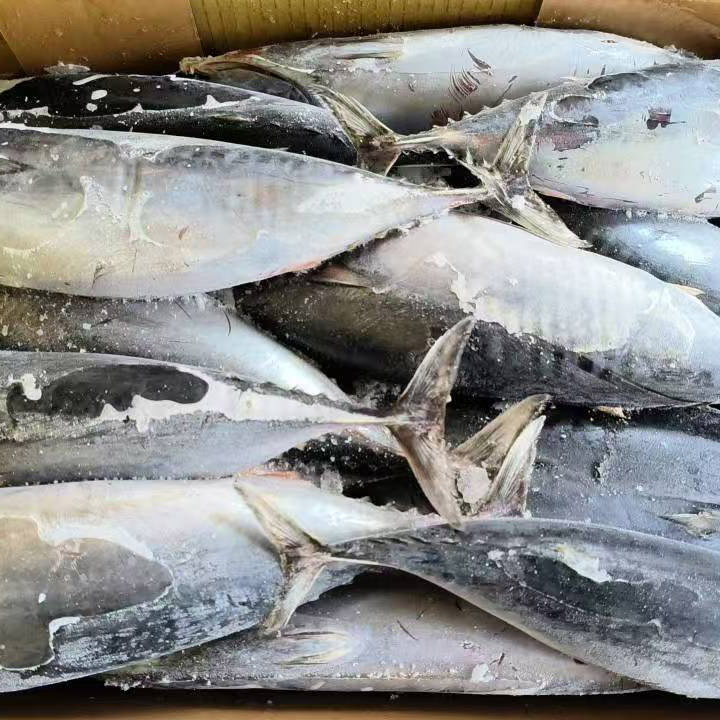
What Makes Bonito Tuna Different?
Bonito Tuna stands out because of its combination of firm flesh, pronounced seafood flavor, and relatively high protein content. Katsuwonus pelamis is commercially important and can be marketed fresh, frozen, canned, dried-salted, or smoked.
For seafood buyers, the value of Bonito Tuna is not limited to its nutritional characteristics. Its adaptable processing profile makes it suitable for different product formats, from retail seafood to ingredients used by food manufacturers.
| Characteristic | Bonito Tuna |
|---|---|
| Texture | Firm and meaty |
| Flavor | Rich and distinctive |
| Main formats | Fresh, frozen, canned, dried, smoked |
| Key nutrient | High-quality protein |
| Applications | Retail, foodservice, processed seafood |
| Processing flexibility | High |
This versatility allows Bonito Tuna to serve both traditional seafood markets and modern convenience-food applications.
How Does Bonito Tuna Perform in Food Applications?
The performance of Bonito Tuna depends on species, freshness, handling, processing method, and final product requirements. Properly handled fish can maintain a desirable texture and flavor through different processing routes.
Fresh and Frozen Products
Fresh Bonito Tuna can be prepared through grilling, pan-searing, or other cooking methods. Frozen products offer longer storage and greater flexibility for international distribution, making them practical for importers and foodservice buyers.
For commercial buyers, freezing technology and cold-chain management are particularly important. Consistent temperature control helps preserve texture and overall product quality during transportation and storage.
Canned Seafood
Canned Bonito Tuna is another important application. The Codex standard for canned tuna and bonito includes Katsuwonus pelamis among the applicable species and requires processing sufficient to achieve commercial sterility.
Canned formats can be produced in different presentations, including solid pieces, chunks, and other processed forms. This creates opportunities for:
- Retail-ready canned seafood
- Foodservice ingredients
- Tuna salads
- Sandwich fillings
- Pasta and rice dishes
- Ready-to-eat meals
For manufacturers and distributors, canned Bonito Tuna offers the advantage of convenient storage, transportation, and portion control.
Why Is Bonito Tuna Important for Nutrition?
One of the major advantages of Bonito Tuna is its protein content. Data for raw spring-caught Katsuwonus pelamis lists approximately 25.8 g of protein per 100 g edible portion, while fat is relatively low at approximately 0.5 g per 100 g.
FishBase also reports protein and omega-3 content for Katsuwonus pelamis, although nutritional values can vary according to season, size, processing, and analytical method.
This nutritional profile supports its use in products positioned around protein-rich seafood and balanced meal solutions.
Which Processing Method Works Best?
There is no single best processing method because different buyers have different commercial objectives.
| Processing Method | Main Advantage | Typical Application |
|---|---|---|
| Fresh | Natural texture and flavor | Restaurants, seafood retail |
| Frozen | Longer storage and distribution flexibility | Wholesale and foodservice |
| Canned | Convenient storage and long shelf life | Retail and ready meals |
| Smoked | Stronger flavor profile | Specialty seafood |
| Dried | Concentrated flavor and extended storage | Traditional foods and seasonings |
For example, dried and smoked Bonito Tuna can provide a stronger flavor profile, while frozen products may be more appropriate for buyers who prioritize flexibility in downstream preparation.
How Can Bonito Tuna Create Commercial Value?
For importers and distributors, product consistency is just as important as the fish itself. Buyers typically evaluate several factors before establishing a long-term seafood supply relationship:
- Species identification – Accurate species information helps ensure appropriate labeling and market compliance.
- Product specifications – Size, cut, weight, packaging, and processing method should match the intended market.
- Quality control – Appearance, odor, texture, and processing conditions directly influence customer acceptance.
- Cold-chain management – Frozen and fresh products require reliable temperature control throughout logistics.
- Packaging flexibility – Packaging should suit retail, foodservice, or industrial requirements.
- Export capability – Documentation and international logistics support are essential for cross-border seafood trade.
These factors make professional sourcing particularly valuable for overseas buyers.
What Should Buyers Consider Before Purchasing Bonito Tuna?
A reliable purchasing decision should go beyond price. Buyers should compare suppliers based on product specifications, quality consistency, packaging capabilities, delivery performance, and communication efficiency.
A practical buyer checklist includes:
- Confirm the scientific and commercial name.
- Define fresh or frozen requirements.
- Specify size and weight ranges.
- Confirm processing and trimming standards.
- Review packaging and labeling requirements.
- Discuss minimum order quantities.
- Confirm shipping and cold-chain arrangements.
- Check documentation required by the destination market.
The FDA's seafood database identifies Katsuwonus pelamis as an acceptable market-name species under "Tuna" and lists "Skipjack Tuna" as its common name, demonstrating why accurate product identification is important for international seafood trade.
How Does Taizhou HongXiang Support Bonito Tuna Sourcing?
For international buyers, sourcing seafood is not simply about finding a product. It requires coordination between product specifications, quality requirements, packaging, documentation, and international logistics.
Taizhou HongXiang Import and Export Co., Ltd. focuses on supporting overseas buyers with professional import and export services. By understanding different customer requirements, the company can help buyers identify suitable Bonito Tuna products for retail, foodservice, processing, and distribution channels.
This approach is particularly useful for buyers who need stable communication and customized sourcing rather than a one-size-fits-all product.
FAQ About Bonito Tuna
Is Bonito Tuna the same as skipjack tuna?
Not necessarily in every market. "Bonito" can refer to several fish species, while Katsuwonus pelamis is scientifically identified as skipjack tuna. Buyers should therefore confirm the scientific name and labeling requirements before purchasing.
What are the main uses of Bonito Tuna?
Bonito Tuna can be sold fresh or frozen and can also be processed through canning, smoking, drying, or salting.
Is Bonito Tuna high in protein?
Yes. Raw Katsuwonus pelamis can provide a substantial amount of protein; Japanese food composition data reports approximately 25.8 g per 100 g edible portion for spring-caught fish.
Why do international buyers choose processed Bonito Tuna?
Processed formats such as frozen and canned products can simplify storage, transportation, distribution, and downstream food preparation. The right format depends on the buyer's target market and application.
How can buyers source Bonito Tuna internationally?
Buyers should work with an experienced seafood trading partner that can coordinate product specifications, quality requirements, packaging, documentation, and international logistics.
Bonito Tuna combines strong culinary versatility, valuable nutritional characteristics, and broad processing potential, making it an attractive seafood product for international markets. For buyers seeking dependable sourcing and export support, Taizhou HongXiang Import and Export Co., Ltd. can help develop suitable Bonito Tuna supply solutions based on product specifications and market requirements. Contact us to discuss your Bonito Tuna sourcing needs, product specifications, packaging preferences, and international purchasing plans.