

Why Is High Quality Fermented Corn Silage Essential for Efficient Livestock Feeding?
2026-10-13
High Quality Fermented Corn Silage is an important feed resource for livestock producers seeking a reliable supply of energy-rich forage throughout the year. Made by preserving chopped whole-plant corn under oxygen-free conditions, corn silage uses natural fermentation to maintain feed value and support consistent feeding programs. Its nutritional value, fermentation stability, and practical storage advantages make it particularly useful for dairy farms, cattle operations, and commercial livestock producers. For buyers looking for dependable agricultural feed solutions, understanding silage quality is essential to achieving better feed utilization and more efficient farm management. Hebei Yiman Agricultural Technology Co., Ltd. recognizes the importance of practical feed solutions that meet the needs of modern livestock farming.
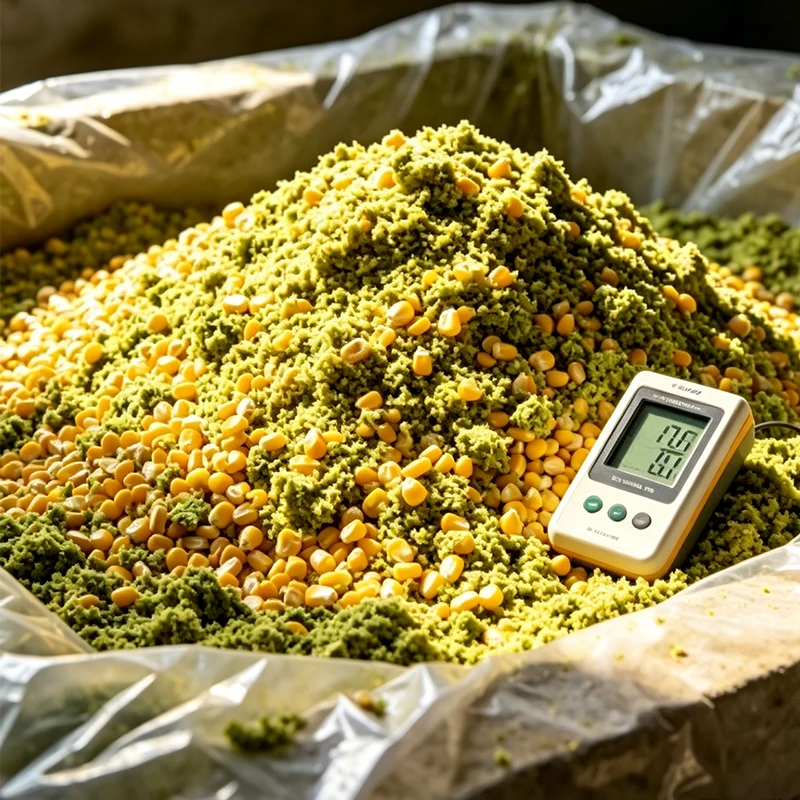
1. What Makes High Quality Fermented Corn Silage Different?
High-quality corn silage is not simply harvested corn stored for later use. It is the result of proper crop selection, timely harvesting, effective compaction, and controlled fermentation. During ensiling, beneficial microorganisms convert plant sugars into organic acids, especially lactic acid. This process lowers the pH and helps preserve the forage by limiting undesirable microbial activity.
Several factors influence the final quality of fermented corn silage:
-
Nutrient preservation: Proper fermentation helps retain valuable energy and other nutrients.
-
Digestibility: The balance of grain, starch, and digestible fiber influences how effectively livestock can utilize the feed.
-
Fermentation stability: Rapid oxygen removal and airtight storage help reduce spoilage.
-
Feed consistency: Well-managed production supports a more predictable supply of forage.
High Quality Fermented Corn Silage should be evaluated through its nutritional composition, fermentation profile, appearance, smell, and storage condition rather than relying on appearance alone.
2. Why Is Fermentation Quality So Important?
Fermentation is the foundation of effective silage preservation. When chopped corn is packed tightly and sealed properly, oxygen becomes limited, allowing beneficial anaerobic microorganisms to produce organic acids. These acids create an environment that helps protect the forage during storage.
Poor fermentation can lead to excessive nutrient losses, unpleasant odors, reduced palatability, and greater risks of spoilage. In contrast, well-managed fermentation helps maintain feed value and supports a more dependable feeding program.
Key management practices include:
-
Harvest at the right maturity: Appropriate crop moisture is essential for effective fermentation and compaction.
-
Chop uniformly: Suitable particle size helps improve packing and supports ration management.
-
Remove trapped air: Rapid filling, thorough compaction, and prompt sealing help establish anaerobic conditions.
-
Maintain airtight storage: Damaged covers and exposed silage can allow oxygen to enter and encourage spoilage.
-
Monitor the finished product: Laboratory testing helps assess fermentation quality and nutritional value.
For many conventional corn silage systems, a final pH around 3.7–4.0 can be a useful reference, although the appropriate target depends on crop dry matter and fermentation conditions.
3. What Benefits Can High Quality Fermented Corn Silage Provide?
Reliable Energy for Livestock
Corn silage contains starch from the grain portion and fiber from the stalks and leaves. These components provide energy and forage fiber, making silage a valuable ingredient in balanced cattle diets. Actual feeding value depends on crop maturity, kernel processing, fiber digestibility, and fermentation quality.
Improved Feed Utilization
Well-preserved silage can help livestock producers incorporate forage into balanced rations throughout the year. When its nutrient profile is understood, nutritionists can formulate diets more accurately and manage the use of purchased concentrates and other feed ingredients.
Consistent Year-Round Feed Supply
Seasonal changes in fresh forage availability can complicate livestock feeding. Properly stored corn silage helps bridge these gaps, providing a practical way to preserve harvested crops for later use.
More Efficient Farm Management
Good silage management can reduce avoidable spoilage and help producers make better use of harvested crops. However, the overall economic benefit depends on storage losses, feed prices, ration formulation, and the nutritional requirements of the animals.
4. Which Quality Indicators Should Buyers Evaluate?
When sourcing High Quality Fermented Corn Silage, livestock producers and agricultural distributors should assess both nutritional value and preservation quality.
| Quality indicator | Why it matters |
|---|---|
| Dry matter content | Helps determine feeding value and suitability for storage |
| Starch concentration | Indicates an important source of dietary energy |
| Fiber digestibility | Influences forage utilization and potential feed intake |
| Fermentation pH and acids | Help evaluate fermentation performance |
| Mold and spoilage | Reveal potential storage or feed-quality problems |
| Odor and appearance | Provide preliminary clues about preservation quality |
These indicators should be considered together. A single measurement cannot fully establish silage quality, and laboratory analysis is recommended when making significant purchasing or feeding decisions.
5. How Can High Quality Fermented Corn Silage Support Different Livestock Operations?
High Quality Fermented Corn Silage is particularly relevant to ruminant production systems where forage forms an important part of the ration.
-
Dairy farms: Can use corn silage as an energy-rich forage ingredient in professionally balanced dairy rations.
-
Beef cattle operations: Can incorporate it into feeding programs designed around growth, maintenance, or finishing requirements.
-
Large-scale livestock farms: Can use stored silage to support planned feed inventories and seasonal feed management.
-
Agricultural feed distributors: Can evaluate silage products according to customer requirements, nutritional specifications, storage conditions, and delivery arrangements.
Silage should always be introduced and fed according to the animals' nutritional requirements. Ration adjustments should consider dry matter intake, protein, minerals, effective fiber, and other feed ingredients.
6. How Can Buyers Choose a Reliable Corn Silage Supplier?
Choosing a suitable supplier involves more than comparing the price per ton. Buyers should consider product specifications, quality documentation, storage and packaging methods, transportation arrangements, and consistency between batches.
Before placing an order, consider the following checklist:
-
Request a nutritional analysis and relevant fermentation data.
-
Confirm moisture or dry matter specifications.
-
Ask about harvesting, fermentation, and storage practices.
-
Check packaging, loading, and transportation requirements.
-
Clarify order quantities, delivery schedules, and product acceptance criteria.
-
Confirm whether the supplier can meet the requirements of your livestock operation or distribution market.
Hebei Yiman Agricultural Technology Co., Ltd. understands the importance of matching agricultural products with practical customer requirements. For commercial buyers, clear specifications and effective communication are valuable starting points for establishing a dependable supply relationship.
Conclusion: Invest in Better Silage Quality for Long-Term Feeding Efficiency
High Quality Fermented Corn Silage plays an important role in modern livestock feeding by providing preserved forage, useful dietary energy, and greater flexibility in feed planning. Its benefits depend on proper harvesting, controlled fermentation, airtight storage, and appropriate ration formulation. By evaluating nutritional indicators and preservation quality before purchasing, livestock producers can make more informed decisions and manage feed resources more effectively.
For agricultural businesses seeking practical feed solutions and professional product information, Hebei Yiman Agricultural Technology Co., Ltd. welcomes inquiries from potential customers and business partners. Contact us to discuss your product requirements, obtain further information, and explore suitable solutions for your agricultural business.